

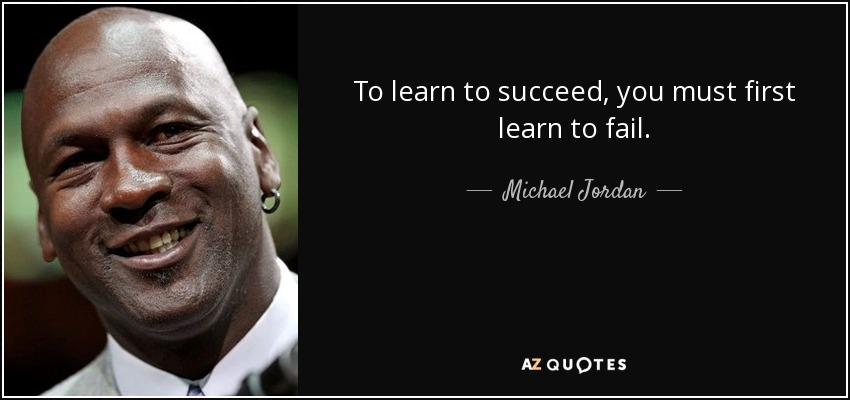
SUCCESS IS HOW FAST YOU FAIL & NEVER GIVE UP TILL YOU ACHIEVE – POWER OF PASSION !
A Psychotech Leadership Blueprint for Relentless Growth, Resilience & Victory
In the modern world, people admire success but fear failure.
They celebrate achievement but avoid discomfort.
They desire greatness but resist uncertainty.
Yet every extraordinary achiever across business, leadership, sports, innovation, spirituality, entrepreneurship, and human transformation has lived by one hidden law:
“Success is not the absence of failure. Success is the speed at which you learn, evolve, adapt, and rise again after failure.”
This is the core principle of the Psychotech Leadership Ecosystem.
A Psychotech Leader understands that failure is not destruction.
Failure is data.
Failure is feedback.
Failure is psychological conditioning.
Failure is strategic refinement.
Failure is neural rewiring for greatness.
The ordinary mind fears failure because it attacks identity.
The Psychotech Mind uses failure to build identity.
That is the difference between average performers and legendary creators.
The Psychotech Definition of Success
Success is not money alone.
Success is not position alone.
Success is not fame alone.
True success is:
- The ability to withstand pressure
- The power to remain emotionally stable during uncertainty
- The courage to continue despite temporary defeat
- The discipline to stay aligned with purpose
- The intelligence to convert setbacks into strategy
- The emotional resilience to outlast challenges
- The spiritual maturity to trust the process
A Psychotech Leader measures success through:
1. Mental Endurance
Can you continue when emotions collapse?
2. Emotional Stability
Can you remain calm in chaos?
3. Strategic Adaptability
Can you change methods without abandoning goals?
4. Purpose Alignment
Can you stay connected to your WHY?
5. Identity Expansion
Can failure strengthen you instead of breaking you?
Why Fast Failure Creates Fast Success
Most people delay success because they delay action.
They:
- Overthink
- Fear judgment
- Seek perfection
- Wait for certainty
- Avoid discomfort
- Escape risks
But reality rewards:
- Execution
- Experimentation
- Adaptability
- Learning velocity
- Emotional resilience
The faster you fail intelligently, the faster you:
- Gain clarity
- Discover weaknesses
- Improve systems
- Build resilience
- Sharpen strategy
- Train emotional toughness
This is called the Psychotech Acceleration Principle.
FAILURE → FEEDBACK → ADAPTATION → GROWTH → MASTERY
Every failure removes illusion.
Every failure reveals:
- Skill gaps
- Psychological weaknesses
- Emotional triggers
- Strategic blind spots
- Ego limitations
- Environmental mismatches
Failure is therefore a mirror of growth.
Why Most People Give Up Before Success
People do not fail because of lack of talent.
They fail because:
- Their emotional system collapses
- Their mindset becomes negative
- Their identity becomes weak
- Their nervous system cannot handle uncertainty
- Their environment kills confidence
- Their focus shifts from purpose to fear
The human brain naturally seeks:
- Safety
- Comfort
- Familiarity
- Validation
- Immediate rewards
But greatness demands:
- Delayed gratification
- Long-term vision
- Repeated discomfort
- Emotional control
- Strategic patience
This is why Psychotech Leadership focuses on Mind Conditioning + Behavioral Reprogramming + Strategic Execution.
The Neuroscience Behind Relentless Success
Every repeated challenge rewires the brain.
When a person repeatedly:
- Faces adversity
- Solves problems
- Recovers from setbacks
- Takes strategic risks
- Learns continuously
…the brain develops stronger neural pathways for:
- Confidence
- Decision-making
- Stress tolerance
- Creativity
- Emotional resilience
- Strategic thinking
This is called Neuroplastic Adaptation.
Your brain becomes what you repeatedly practice.
If you repeatedly:
- Escape problems → You strengthen fear.
- Face challenges → You strengthen courage.
This is why repeated disciplined action changes identity.
The Psychotech Failure-Recovery Framework
STEP 1 — DETACH FAILURE FROM IDENTITY
Failure is an event.
It is not your identity.
A failed business does not mean you are a failure.
A failed presentation does not define your intelligence.
A rejected proposal does not reduce your worth.
Psychotech Leaders separate:
- WHO THEY ARE
from - WHAT HAPPENED
This protects emotional stability.
STEP 2 — ANALYZE, DON’T EMOTIONALIZE
Emotionally reactive people remain stuck.
Strategic people ask:
- What worked?
- What failed?
- What must improve?
- What patterns are repeating?
- What skills are missing?
- What mindset blocked execution?
This transforms pain into intelligence.
STEP 3 — BUILD MICRO-WINS
Confidence grows through evidence.
Small consistent wins:
- Rebuild momentum
- Strengthen identity
- Increase dopamine naturally
- Reinforce belief systems
Psychotech Leaders create:
- Daily execution goals
- Habit tracking systems
- Progress metrics
- Reflection routines
Small victories create massive long-term transformation.
STEP 4 — DEVELOP EMOTIONAL IMMUNITY
Pressure is not the enemy.
Weak emotional conditioning is.
Train yourself through:
- Meditation
- Journaling
- Reflection
- Breathwork
- Fitness
- Discipline routines
- Public challenges
- Strategic discomfort exposure
Emotional resilience is built, not inherited.
STEP 5 — STAY PURPOSE-CENTERED
Purpose creates endurance.
People quit when:
- Goals are superficial
- Motivation is external
- Identity is weak
But when purpose becomes deep:
- Pain becomes meaningful
- Sacrifice becomes easier
- Challenges become missions
- Delays become training
Purpose transforms persistence into obsession.
Ancient Indian Wisdom & Failure Mastery
Ancient Indian wisdom has always emphasized detached action.
In the Bhagavad Gita, Bhagwan Shri Krishna teaches:
“You have the right to perform your duty, but not to the fruits of your actions.”
This is one of the greatest psychological frameworks ever given to humanity.
Why?
Because attachment to outcomes creates:
- Anxiety
- Fear
- Overthinking
- Paralysis
- Emotional instability
But detached disciplined action creates:
- Flow state
- Focus
- Courage
- Consistency
- Mental clarity
Psychotech Leadership integrates this timeless wisdom with:
- Behavioral science
- Neuroscience
- Peak performance systems
- Leadership psychology
- Strategic execution models
The Psychotech Leadership Traits of Winners
1. Resilience
They recover fast emotionally.
2. Adaptability
They change methods, not goals.
3. Execution Bias
They act faster than others.
4. Emotional Intelligence
They manage pressure intelligently.
5. Self-Awareness
They recognize internal weaknesses.
6. Discipline
They continue even without motivation.
7. Vision Orientation
They focus beyond temporary setbacks.
8. Strategic Thinking
They learn from patterns.
9. Growth Mindset
They believe abilities can evolve.
10. Purpose Alignment
They connect action to mission.
Who Can Master This Habit?
Anyone willing to:
- Face discomfort
- Train the mind
- Improve daily
- Stay consistent
- Accept temporary failures
- Learn continuously
Success is not reserved for geniuses.
It belongs to:
- Persistent learners
- Disciplined executors
- Emotionally resilient individuals
- Strategic thinkers
- Purpose-driven leaders
The greatest transformation occurs when ordinary people develop extraordinary habits.
How to Condition Your Mind for Relentless Success
DAILY PSYCHOTECH SUCCESS CONDITIONING SYSTEM
Morning Conditioning
- Visualization
- Gratitude
- Breathwork
- Purpose review
- Physical movement
Mental Reprogramming
Replace:
- “What if I fail?”
with - “What will I learn?”
Replace:
- “This is difficult”
with - “This is training me.”
Strategic Execution Blocks
Work in:
- Deep focus sessions
- Priority-based execution
- High-energy windows
Failure Reflection Journal
Every night ask:
- What challenge did I face?
- What did I learn?
- What must improve tomorrow?
- How did I respond emotionally?
- What action will I take next?
Reflection accelerates growth.
Controlled Discomfort Practice
Train the nervous system by:
- Speaking publicly
- Taking strategic risks
- Learning difficult skills
- Facing rejection
- Practicing discipline
Discomfort builds psychological muscle.
The Psychology of Never Giving Up
Never giving up does NOT mean blind stubbornness.
It means:
- Adapting intelligently
- Evolving strategically
- Learning continuously
- Maintaining purpose alignment
- Strengthening emotional endurance
Winners understand:
- Delays are not denial
- Temporary defeat is not permanent failure
- Pressure is preparation
- Struggle builds capability
The moment you stop quitting emotionally, your transformation begins.
The Ultimate Psychotech Formula
PURPOSE + DISCIPLINE + RESILIENCE + ADAPTABILITY + EXECUTION = EXTRAORDINARY SUCCESS
When:
- The mind becomes disciplined,
- The emotions become stable,
- The nervous system becomes resilient,
- The purpose becomes powerful,
- The actions become consistent,
…human potential expands beyond imagination.
Final Message: Become Unstoppable
Every challenge you face is shaping your future identity.
Every rejection is refining your emotional strength.
Every setback is training your intelligence.
Every failure is preparing you for mastery.
Success belongs to those who:
- Continue when others quit
- Learn when others complain
- Adapt when others panic
- Execute when others hesitate
- Believe when others doubt
The world rewards those who remain standing after repeated storms.
A Psychotech Leader never asks:
“Why is this happening to me?”
Instead, they ask:
“What is this training me to become?”
That single shift changes everything.
Because success is not about never falling.
Success is about how fast you rise every time you fall — and refusing to stop until your vision becomes reality.

ANUPAM SHARMA
PSYCHOTECH™ STRATEGIST
COACH I MENTOR I TRAINER
COUNSELLOR I CONSULTANT