
Our PRESENT Moment Is the Most RESOURCEFUL State of Mind: The Psychology, Science, and Wisdom of Mind Mastery


The greatest competitive advantage in the 21st century is no longer intelligence alone, talent alone, or even technology alone. It is the ability to master your mind in the present moment.
The statement,
“Our PRESENT moment is the most RESOURCEFUL state of mind.”
is not merely an inspirational quote. It is a profound psychological principle, a neuroscientific reality, and a timeless truth repeatedly emphasized in ancient wisdom traditions.
Every victory begins in the mind before it appears in reality.
Every breakthrough starts as a conscious decision before becoming a habit.
Every extraordinary life is first created through extraordinary awareness.
From the perspective of psychology, neuroscience, strategic leadership, and ancient Indian wisdom, the present moment is where human potential becomes available.
Past memories cannot be changed.
Future possibilities cannot yet be acted upon.
Only the present moment contains the power to think, choose, decide, create, execute, and transform.
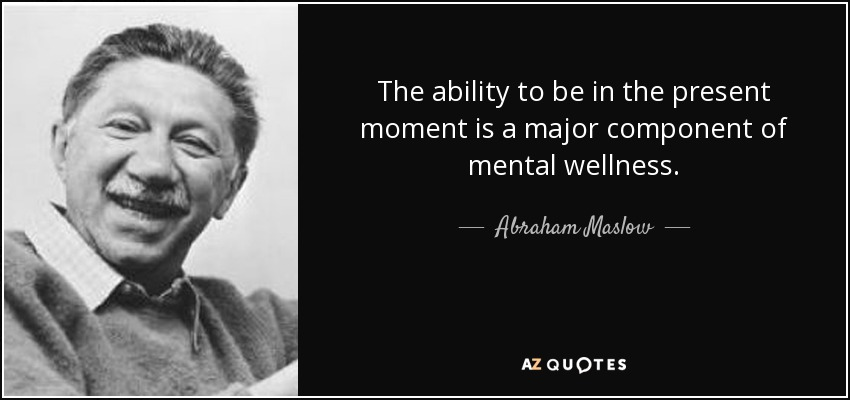
This is why mental wellness is not simply about feeling peaceful—it is the foundation of high performance, wise decision-making, resilient leadership, and meaningful success.
Why the Present Moment Is the Most Resourceful State
Modern neuroscience shows that attention is the currency of performance.
Whenever attention drifts into regret about the past or anxiety about the future, the brain consumes enormous cognitive energy.
Research in mindfulness and cognitive psychology consistently finds that excessive mind-wandering is associated with lower happiness, poorer task performance, and increased stress, while present-focused awareness improves attention regulation, emotional balance, and cognitive flexibility.
When fully present:
- Working memory performs better.
- Creativity expands.
- Emotional reactions reduce.
- Decision quality improves.
- Learning accelerates.
- Productivity increases.
In simple words,
Presence converts potential into performance.
The Psychology of Mind Mastery
The human mind functions through two complementary systems.
The Conscious Mind
The conscious mind thinks, reasons, evaluates, plans, and chooses.
It is your strategic CEO.
Unfortunately, it occupies only a small portion of your daily mental activity.
The Subconscious Mind
The subconscious mind stores habits, emotional memories, beliefs, values, identities, and automatic behaviors.
It performs most daily activities without conscious effort.
This explains why changing behavior is difficult.
People often attempt to change actions while ignoring subconscious programming.
Mind mastery is therefore the art of aligning conscious intention with subconscious conditioning.
Mental Wellness: The Real Vehicle to Winning
Many people believe success creates happiness.
Psychology increasingly suggests the reverse is often true: sustained mental well-being supports better performance, healthier relationships, resilience, and long-term achievement.
Mental wellness includes:
- Emotional regulation
- Cognitive clarity
- Psychological flexibility
- Self-awareness
- Purpose
- Inner peace
- Positive energy
- Spiritual alignment
A mentally healthy individual does not avoid problems.
Instead, they respond resourcefully rather than react impulsively.
That difference determines success.
Ancient Indian Wisdom on Present Awareness

Ancient Indian scriptures described this reality thousands of years before neuroscience.
In the Bhagavad Gita, Lord Krishna repeatedly emphasizes performing one’s duty with complete awareness while remaining unattached to outcomes.
The famous teaching,
“Karmanye Vadhikaraste Ma Phaleshu Kadachana”
is essentially a lesson in present-moment mastery.
Focus on action.
Release attachment to future results.
Likewise, the Yoga Sutras of Patanjali define yoga as calming the fluctuations of the mind.
A calm mind sees clearly.
A disturbed mind distorts reality.
Ancient wisdom understood what neuroscience now confirms:
Attention determines experience.
Experience shapes habits.
Habits shape destiny.
Habit Formation: Why the Mind Loves Automation
The brain seeks efficiency.
Repeated behaviors become neural shortcuts.
Initially,
Choice → Repetition → Habit → Identity
Eventually,
Identity → Habit → Automatic Performance
This explains why habits become subconscious.
The brain conserves energy by automating repeated decisions.
Unfortunately, negative habits become automated just as efficiently as positive ones.
Therefore,
Habits are neither good nor bad.
They simply become stronger with repetition.
Constructive Mind Practices for the Winning Edge
Winning minds are intentionally trained.
They are never accidental.
The following practices gradually rewire the brain.
1. Morning Mental Alignment
Begin each day with:
- Gratitude
- Prayer
- Deep breathing
- Visualization
- Daily intention
This primes the brain for opportunity rather than threat.
2. Meditation
Meditation strengthens attention.
It improves emotional regulation.
It develops metacognition—the ability to observe thoughts without becoming controlled by them.
Even 15–20 minutes daily can produce measurable improvements over time.
3. Conscious Self-Talk
The brain believes repeated internal dialogue.
Replace:
“I cannot.”
with
“I am learning.”
Replace:
“This is impossible.”
with
“How can I solve this?”
Language changes perception.
Perception changes behavior.
4. Deep Work
Work without distraction.
Single-tasking improves:
- Quality
- Speed
- Creativity
- Satisfaction
Attention is your greatest productive asset.
5. Reflection
Every evening ask:
- What did I learn?
- What energized me?
- What distracted me?
- What should I improve tomorrow?
Reflection converts experience into wisdom.
Decision-Making Begins with Mental Wellness
Most poor decisions occur under emotional overload.
Stress narrows thinking.
Fear exaggerates threats.
Anger reduces logic.
Impulsivity ignores consequences.
Present awareness expands perspective.
Resourceful decision-makers pause before reacting.
They observe.
Think.
Evaluate.
Respond intentionally.
Psychologists call this response flexibility.
Leaders call it wisdom.
Transforming Habit Challenges into Opportunities
Every unwanted habit contains hidden information.
Instead of asking,
“Why am I like this?”
Ask,
“What need is this habit trying to satisfy?”
For example:
| Habit Challenge | Hidden Need | Better Alternative |
|---|---|---|
| Social media addiction | Stimulation | Reading, learning, creative work |
| Anger | Control | Emotional intelligence |
| Procrastination | Fear | Small immediate action |
| Overthinking | Certainty | Mindfulness and execution |
| Negativity | Protection | Gratitude practice |
Every bad habit can become a teacher.
The Psychotech Leadership Perspective
As we have discussed previously, the future belongs to Psychotech Leaders.
These leaders integrate:
- Psychology
- Neuroscience
- Technology
- Ancient wisdom
- Strategic thinking
- Human behavior
- Conscious leadership
They understand that technology amplifies capability, but psychology determines direction.
Artificial intelligence cannot replace inner intelligence.
Mental mastery therefore becomes the new competitive advantage.
The PRESENT Framework for Mind Mastery
To make present-moment awareness practical, use the PRESENT model:
P — Pause before reacting.
R — Regulate your breathing and emotions.
E — Examine your thoughts objectively.
S — Select the most constructive response.
E — Execute with full commitment.
N — Notice the results without judgment.
T — Transform learning into better habits.
Repeated daily, this framework develops emotional maturity and strategic clarity.
Daily Practices to Live in the Present
A resourceful mind is built one moment at a time.
Adopt these daily disciplines:
- Begin the day without immediately checking your phone.
- Practice 10–20 minutes of mindfulness meditation.
- Focus on one task at a time.
- Use intentional breathing during stressful situations.
- Schedule distraction-free “deep work” blocks.
- Keep a gratitude journal.
- Exercise regularly to support brain health.
- Sleep 7–9 hours to consolidate learning and emotional regulation.
- Read timeless wisdom daily.
- End each day with reflection rather than rumination.
These practices compound into resilience, clarity, and excellence.
Final Reflection: Your Greatest Victory Is Mastering Your Mind
Life is not determined solely by circumstances but by the quality of awareness you bring to each moment.
The present moment is where your choices become habits, your habits become character, and your character shapes destiny.
The ancient sages understood it.
Modern neuroscience increasingly validates it.
High-performing leaders embody it.
Mental wellness is not a luxury—it is the operating system of human excellence.
When you consciously train your attention, regulate your emotions, align your habits with your highest values, and repeatedly return to the present, you unlock your greatest resource: your own mind.
The future is built in the present.
The winning habit is mindful action.
The winning leader is mentally well.
And the winning life begins with one conscious moment—this one.

ANUPAM SHARMA
PSYCHOTECH ™ STRATEGIST
COACH I MENTOR I TRAINER
COUNSELLOR I CONSULTANT