

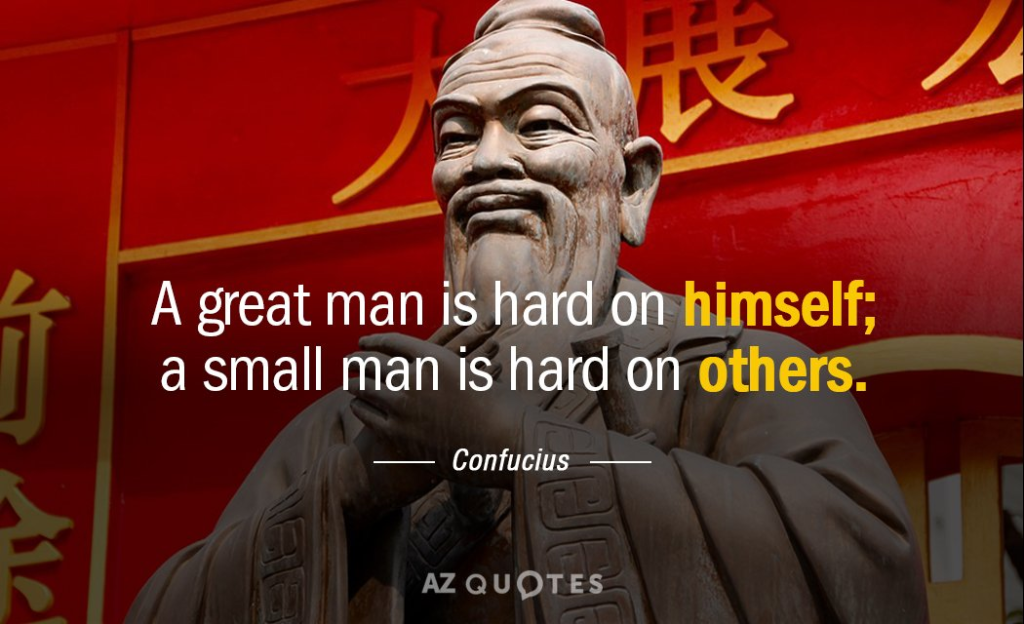
SELF-MASTERY: The Hidden Discipline Behind Every Winner, Leader & Legendary Achiever
Why Psychotech Leadership Sees Inner Discipline as the Ultimate Operating System for Human Excellence
“Before a human being conquers the world, they must first conquer themselves.”
Every generation witnesses extraordinary individuals who rise above limitations, dominate challenges, inspire millions, and leave transformational legacies behind. Some become legendary entrepreneurs. Some become elite athletes. Some become visionary leaders. Some become spiritual masters.
Yet behind every visible achievement lies an invisible force.
That force is SELF-MASTERY.
Not talent.
Not luck.
Not privilege.
Not intelligence alone.
But the disciplined ability to govern one’s mind, emotions, habits, attention, energy, and actions under all circumstances.
From the lens of Psychotech Leadership, self-mastery is not motivational philosophy. It is the highest technology of human transformation.
It is the bridge between potential and performance.
Why Winners Operate Differently
Most people live reactively.
Winners live intentionally.
Average individuals are controlled by:
- moods,
- distractions,
- fears,
- emotional impulses,
- procrastination,
- social conditioning,
- and instant gratification.
But achievers condition themselves to act beyond emotional fluctuations.
That is why discipline becomes their superpower.
The Neuroscience of Self-Mastery
Modern neuroscience confirms what ancient wisdom traditions understood centuries ago.
The brain is programmable.
Through neuroplasticity, repeated thoughts and behaviors literally reshape neural pathways. Every disciplined action strengthens mental circuits associated with focus, resilience, and execution.
When individuals repeatedly choose:
- discipline over comfort,
- purpose over distraction,
- execution over excuses,
their nervous system adapts accordingly.
This is why elite performers appear “naturally disciplined.”
In reality, they have conditioned their brain through repetition.
Psychotech Leadership: The Science of Inner Command
Psychotech Leadership combines:
- psychology,
- neuroscience,
- strategic execution,
- emotional intelligence,
- behavioral science,
- spiritual wisdom,
- and identity transformation.
It teaches that external success is a reflection of internal structure.
If the mind is chaotic, results become chaotic.
If emotions dominate logic, execution collapses.
If identity remains weak, discipline becomes temporary.
Therefore, Psychotech Leadership develops individuals from the inside out.
The Real Reason Most People Fail
Most individuals do not fail because they lack opportunities.
They fail because:
- they cannot control distractions,
- they avoid discomfort,
- they seek validation,
- they quit under pressure,
- they overthink action,
- they procrastinate,
- they lack emotional regulation,
- and they never train their mind systematically.
Self-Mastery Is Emotional Governance
A powerful individual is not someone who controls others.
A powerful individual is someone who controls:
- anger,
- fear,
- impulses,
- ego,
- laziness,
- cravings,
- and inconsistency.
This is why ancient yogic traditions emphasized:
- discipline of mind,
- discipline of speech,
- discipline of action,
- and discipline of consciousness.
The battlefield is internal before it becomes external.
The Bhagavad Gita & the Psychology of Self-Mastery
In the Bhagavad Gita, Bhagwan Krishna teaches Arjuna that the uncontrolled mind becomes the greatest enemy, while the mastered mind becomes the greatest friend.
This is profound psychological wisdom.
A distracted mind:
- destroys focus,
- weakens decision-making,
- amplifies emotional suffering,
- and sabotages growth.
A disciplined mind:
- creates clarity,
- builds resilience,
- enhances execution,
- and sustains purpose.
Modern performance psychology now validates these ancient insights.
The Dopamine Trap vs The Discipline Advantage
Today’s world is engineered to destroy self-mastery.
Social media, instant entertainment, endless notifications, and dopamine-driven platforms train the brain toward:
- instant gratification,
- reduced attention span,
- emotional dependency,
- and shallow thinking.
Psychotech Leadership recognizes dopamine management as essential.
Winners train themselves to:
- delay gratification,
- embrace discomfort,
- focus deeply,
- and execute consistently.
They understand that temporary discomfort creates long-term greatness.
The Psychotech Self-Mastery Framework
1. Self-Awareness Mastery
Transformation begins with awareness.
You cannot improve what you do not observe.
Self-aware individuals understand:
- their triggers,
- weaknesses,
- emotional patterns,
- habits,
- and behavioral loops.
Reflective Questions
- What repeatedly sabotages my growth?
- Which emotional patterns weaken my execution?
- What habits are shaping my destiny daily?
2. Emotional Intelligence Conditioning
Emotionally reactive people lose strategic clarity.
Psychotech Leaders train emotional regulation through:
- mindfulness,
- breathwork,
- journaling,
- conscious pauses,
- and reframing techniques.
Emotional control creates decision superiority.
3. Identity Rewiring
Behavior follows identity.
If someone internally believes:
“I am inconsistent,”
their behavior aligns accordingly.
But when identity shifts toward:
“I am disciplined, focused, and unstoppable,”
behavior begins restructuring automatically.
This is subconscious conditioning.
4. Discipline Architecture
Discipline is not motivation.
It is system design.
Winners create:
- routines,
- structures,
- boundaries,
- rituals,
- and accountability systems.
They reduce dependency on emotions.
5. Focus & Deep Work Systems
Attention is the currency of greatness.
In a distracted world, focused individuals gain unfair advantage.
Psychotech Leaders practice:
- deep work,
- distraction elimination,
- intentional scheduling,
- and cognitive energy management.
6. Strategic Habit Installation
Habits shape destiny.
Small repeated behaviors become identity over time.
Elite performers install:
- morning routines,
- exercise discipline,
- reading habits,
- strategic reflection,
- and execution rituals.
Consistency compounds into excellence.
7. Conscious Productivity Systems
Being busy is not being productive.
Psychotech productivity focuses on:
- meaningful execution,
- energy optimization,
- strategic priorities,
- and purpose alignment.
The objective is not burnout.
The objective is sustainable peak performance.
8. Mind-Body-Energy Alignment
Physical energy influences mental clarity.
Self-mastery includes:
- sleep optimization,
- exercise,
- nutrition,
- breath control,
- and nervous system regulation.
The body becomes the vehicle of execution.
9. Purpose & Vision Synchronization
Discipline becomes easier when connected to meaning.
People without purpose seek distraction.
People with mission seek mastery.
Purpose creates emotional fuel.
10. Execution Excellence
Ideas do not transform lives.
Execution does.
Psychotech Leaders master:
- decisive action,
- strategic consistency,
- resilience,
- and adaptive execution.
They act despite fear.
The Warrior Psychology of Self-Mastery
Elite military forces condition themselves through repetition under pressure.
Why?
Because discipline must function even during chaos.
The same principle applies to life.
True self-mastery means:
- remaining calm under uncertainty,
- acting under pressure,
- staying focused amid distractions,
- and sustaining execution during adversity.
This creates mental toughness.
The 108-Day Self-Mastery Challenge
Phase 1: Awareness & Detox (Days 1–36)
Focus:
- reduce distractions,
- observe habits,
- control digital consumption,
- begin journaling,
- practice silence.
Daily Practices:
- 30 minutes reading
- 20 minutes exercise
- 10 minutes meditation
- no phone first hour after waking
- daily reflection writing
Phase 2: Discipline Conditioning (Days 37–72)
Focus:
- habit installation,
- emotional control,
- structured routines,
- execution consistency.
Daily Practices:
- deep work sessions
- goal tracking
- strategic planning
- conscious nutrition
- dopamine reduction practices
Phase 3: Identity Transformation (Days 73–108)
Focus:
- leadership embodiment,
- purpose alignment,
- peak execution,
- advanced self-control.
Daily Practices:
- visualization
- high-performance routines
- public accountability
- gratitude practice
- strategic self-review
At the end of 108 days, individuals begin operating differently psychologically, emotionally, and behaviorally.
Signs of a Self-Mastered Individual
A Psychotech Leader:
- controls emotions under pressure,
- executes consistently,
- remains calm during chaos,
- values long-term growth over temporary pleasure,
- protects focus,
- learns continuously,
- adapts strategically,
- and lives purposefully.
They become internally powerful.
Key Takeaways
Self-Mastery Is the Foundation of Greatness
Every major achievement begins with internal discipline.
Discipline Beats Motivation
Motivation fluctuates. Systems sustain excellence.
Identity Shapes Behavior
Transform identity to transform results.
Emotional Control Creates Strategic Advantage
Calm minds make better decisions.
Focus Is a Competitive Superpower
Attention mastery determines execution quality.
Powerful Quote Box
“A weak mind seeks comfort.
A conditioned mind seeks growth.
A mastered mind creates greatness.”
The strongest people are not those who dominate others.
They are the ones who dominate:
- fear
- distraction
- inconsistency
- emotional chaos
- procrastination
SELF-MASTERY is the hidden discipline behind every legendary achiever.
Final Conclusion
The future belongs to individuals who can master themselves in a distracted, emotionally chaotic, dopamine-driven world.
Technology may evolve.
Markets may change.
Industries may transform.
But one truth will remain eternal:
Those who master their inner world will always outperform those controlled by external circumstances.
Because greatness is never accidental.
It is engineered through discipline, awareness, emotional intelligence, strategic execution, and conscious living.
And that is the essence of Psychotech Leadership.
“The world outside changes only after the world inside is mastered.”

ANUPAM SHARMA
PSYCHOTECH™ STRATEGIST
COACH I MENTOR I TRAINER
COUNSELLOR I CONSULTANT