
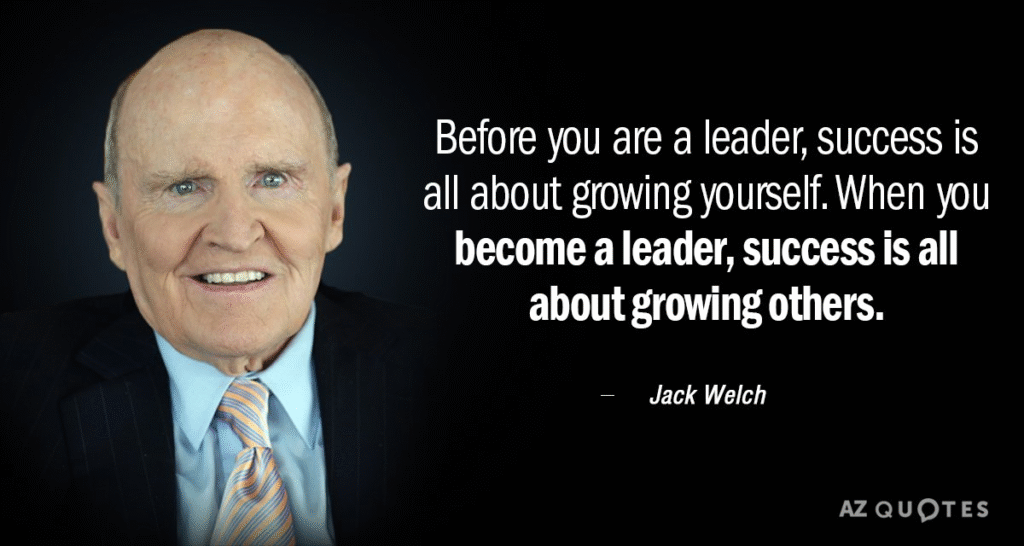
From Self-Growth to Guiding Others…
” Be the RESOURCE to make others RESOURCEFUL…” Anupam Sharma
In an age defined by uncertainty, disruption, and rapid change, leadership must evolve from authority to authentic guidance, from power to purpose, and from control to clarity. This is where the metaphor of a lighthouse leader comes to life—someone who doesn’t steer the ship, fight the waves, or redesign the vessel, but instead stands tall, grounded, and luminous—offering vision, direction, and stability to everyone navigating stormy waters.
Welcome to the era of Strategic Lighthouse Leadership.
What Does It Mean to Be a Lighthouse Leader?
Unlike a captain (who navigates), a warrior (who battles), or an architect (who designs), a lighthouse leader guides without dominating. They represent stillness with purpose, presence with wisdom, and influence without interference.
A lighthouse leader:
- Doesn’t make decisions for others, but helps them see clearly.
- Doesn’t push performance, but pulls potential.
- Doesn’t seek the spotlight but becomes the light.
They understand that true leadership isn’t about being followed, but about illuminating a path so others can walk confidently.

The Five Core Lighthouse Functions & Leadership Principles
To fully embody this metaphor, let’s examine the five core functions of a sea lighthouse and how they mirror strategic leadership:
- Illumination → Clarity of Vision
A lighthouse lights the path. Leaders must cast a clear vision—not just for the destination but for the journey. - Navigation → Decision Support
It helps vessels course-correct. Lighthouse leaders offer frameworks, not orders—helping others make wiser decisions. - Warning of Danger → Risk Foresight
A lighthouse alerts to hazards. Great leaders foresee pitfalls and guide their team around them, not into them. - Consistency → Trust and Stability
Lighthouses don’t flicker during storms. Nor do great leaders. They remain emotionally grounded and resilient. - Positioning → Contextual Awareness
A lighthouse helps sailors know where they are. Leaders must help others understand the big picture and their role in it.
Illuminating the Path, Not Walking It
Leadership is often misunderstood as taking the lead, making all the decisions, or solving all the problems. Lighthouse leaders shift this paradigm. They act as:
- Mentors, not managers
- Enablers, not executors
- Guides, not gatekeepers
They ask the right questions, provide contextual clarity, and allow others the space to grow and act.
The True Purpose: Growing Others
Strategic leadership is no longer about individual success—it’s about success replication.
Lighthouse leaders:
- Create environments where people thrive independently
- Coach teams to build self-awareness, confidence, and capability
- Focus on legacy, not accolades
When leadership becomes a mirror for others’ transformation, it multiplies exponentially.
From Ego-Centric to Other-Centric Leadership
Leadership effectiveness grows when the leader transitions from “me” to “we”.
Here’s what happens:
| Ego-Centric | Other-Centric |
|---|---|
| Focus on being right | Focus on doing right |
| Seeks control | Builds trust |
| Craves recognition | Gives recognition |
| Hoards knowledge | Shares freely |
| Avoids vulnerability | Embraces authenticity |
This shift from self to service unlocks an entirely new level of effectiveness, innovation, and collaboration.
The Ripple Effect: Outcomes of Lighthouse Leadership
1. Emotional Impact
- Teams feel safe, supported, and inspired.
- Reduced stress and anxiety.
- Increased psychological safety.
2. Psychological Growth
- Improved decision-making and self-leadership.
- Resilience in adversity.
- Ownership of purpose and direction.
3. Performance Outcomes
- Higher engagement, creativity, and problem-solving.
- Lower attrition and stronger retention.
- Collective achievement replaces siloed success.
Measuring Lighthouse Leadership: KPIs that Matter
To evaluate the impact of this leadership style, consider:
- Team Growth Index: Are individuals leveling up in their roles and skills?
- Trust Quotient: Measured through feedback loops, 360° reviews, and open dialogue.
- Clarity Index: Are goals, expectations, and values understood by all?
- Contribution Ratio: Is everyone adding strategic value—not just executing tasks?
- Engagement Score: How inspired and connected do people feel?
The Success Ladder: From Personal Wins to Collective Transformation
Traditional leaders climb a personal ladder of:
- Goals
- Promotions
- Achievements
Lighthouse leaders transcend that by helping others ascend their own ladders. The transformation ladder becomes:
- Awareness
- Capability
- Contribution
- Confidence
- Leadership
Strategic Frameworks for Lighthouse Leadership
Let’s now map key frameworks that structure this approach:
1. PPF Model: Past – Present – Future
- Past: Draw strength from personal struggles to empathize and connect.
- Present: Offer clarity, perspective, and emotional steadiness.
- Future: Create a compelling vision and mentorship plan for others.
2. 80/20 Principle of Leadership Actions
Identify the 20% of efforts that yield 80% of team development:
- Regular feedback loops
- One-on-one coaching
- Delegation with trust
- Modeling self-discipline
- Encouraging independent decision-making
These small efforts produce major cultural shifts.
3. Eisenhower Matrix for People Development
| Urgent | Not Urgent |
|---|---|
| 🔥 People conflicts | 🌱 Long-term capability building |
| 💥 Crisis management | 🎯 Purpose coaching |
| 📢 Urgent performance reviews | 🧠 Team reflection sessions |
Lighthouse leaders consciously prioritize the “Not Urgent but Important” quadrant—where real growth happens.
4. Theory of Constraints (TOC) Model
Lighthouse leaders identify and remove bottlenecks to growth, such as:
- Lack of clarity
- Micromanagement
- Low psychological safety
- Information silos
- Absence of feedback
By illuminating and removing these constraints, they enable breakthrough growth.
5. SCARF Model Alignment
| SCARF Domain | Lighthouse Approach |
|---|---|
| Status | Recognize everyone’s worth and unique potential |
| Certainty | Provide consistent guidance and transparent decisions |
| Autonomy | Empower people with responsibility and trust |
| Relatedness | Foster belonging and emotional connection |
| Fairness | Be a role model of integrity, equity, and honesty |
Conclusion: Be the Light, Not the Hero
Lighthouse leadership isn’t about being admired or followed. It’s about helping others find their own light, their own way, and eventually—become lighthouses themselves.
As the world grows more complex, people don’t need louder leaders—they need clearer ones. They don’t need rescuers—they need reflectors of possibility.
So here’s the challenge:
Can you rise above the waves, stay grounded in your values, and shine bright so others may find their course?
If yes, you’re already becoming a Strategic Lighthouse Leader—and the world needs more of you.

Anupam Sharma
Psychotech Evangelist
Coach I Mentor I Trainer
Councelor I Counsultant