
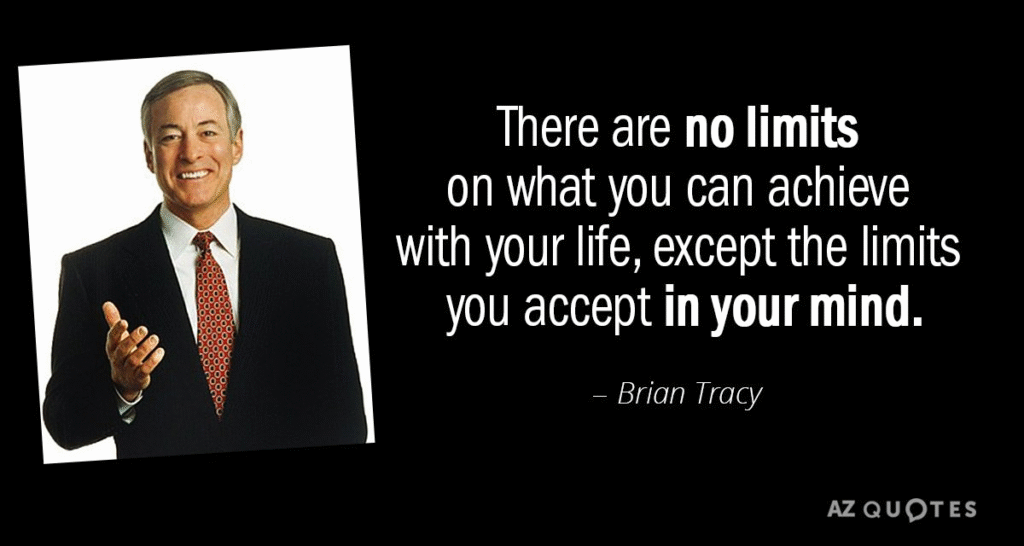
“Limiting Belief Is Your Biggest Threat, Weakness & Challenge”– So lets unlock unlimited potential !!!
Why Strategic Leaders Influence, Empower, and Liberate Human Potential Instead of Commanding It
Introduction: The Invisible Enemy Called Limiting Belief
Every organization rises or falls not merely because of strategy, capital, or technology—but because of belief systems operating silently inside human minds.
A limiting belief is not just a personal weakness.
It is a strategic liability.
For leaders, limiting beliefs manifest as:
- Fear of losing control
- Distrust in people’s capabilities
- Over-dependence on authority
- Micromanagement
- Resistance to diversity, ambiguity, and change
That is why modern leaders influence rather than impose.
Authority may secure compliance.
Influence unlocks commitment, creativity, and ownership.
This blog deep-dives into:
- Why leaders must shift from authority to influence
- Why self-management precedes people management
- Why strategic leadership focuses on Purpose, Perspective, Promotion & Psychological Empowerment (4P Framework)
- How global consulting firms (Big Four, McKinsey, BCG, Bain) design 360° influence-based people strategies
- Practical mastery models using SWOT, PPF, Blue Ocean Strategy, and advanced leadership frameworks
1. Why Leaders Influence Instead of Authoritative Control
Authoritative leadership belongs to the industrial age.
Influence-based leadership belongs to the knowledge, creativity, and consciousness economy.
Authority Creates Obedience. Influence Creates Ownership.
| Authority-Based Leadership | Influence-Based Leadership |
|---|---|
| Power-driven | Purpose-driven |
| Compliance-focused | Commitment-focused |
| Fear-based control | Trust-based engagement |
| Short-term execution | Long-term transformation |
| Ego-centric | People-centric |
Strategic Reality:
You can command hands, but you must influence minds and hearts.
2. Limiting Beliefs as the Biggest Leadership Threat (SWOT Lens)
SWOT Analysis Applied to Leadership Mindset
Strengths
- Vision
- Experience
- Expertise
- Position power
Weaknesses
- Limiting beliefs about people
- Fear of delegation
- Control addiction
- Emotional reactivity
Opportunities
- Diverse talent pools
- Psychological safety
- Innovation culture
- Distributed leadership
Threats
- Limiting beliefs
- Ego dominance
- Burnout culture
- Talent disengagement
👉 Key Insight:
Limiting belief is the only threat that converts strengths into weaknesses.
That’s why elite leaders work on inner strategy before outer strategy.
3. Why Leaders Must Master Self-Management Before People Management
“You can only take people as far as you have gone within yourself.”
Self-Management Is the Leadership Operating System
Before managing people, leaders must manage:
- Emotions
- Ego
- Energy
- Expectations
- Narratives
Self-Management Competencies
- Emotional Intelligence (EQ)
- Cognitive Flexibility
- Bias Awareness
- Stress Regulation
- Purpose Alignment
🔹 Big consulting firms call this “Inner Leadership Readiness”—a prerequisite for leading change.
Without self-mastery:
- Authority increases
- Influence decreases
- People disengage
4. Strategic Leadership Traits for Managing Diverse People Mix
Diversity is not just demographic. It is:
- Cognitive
- Emotional
- Cultural
- Generational
- Psychological
Core Strategic Leadership Traits
- Empathic Intelligence – understanding unseen emotional drivers
- Perspective Fluidity – ability to see multiple truths simultaneously
- Narrative Power – shaping meaning, not instructions
- Trust Engineering – designing safety, not surveillance
- Decision Transparency – clarity reduces resistance
- Adaptive Authority – knowing when to guide, coach, or step back
👉 Influence grows where understanding replaces assumption.
5. The 4P Strategic Focus of People-Centric Leaders

P1: Purpose
People don’t follow leaders.
They follow meaning.
Leaders align:
- Individual purpose
- Team purpose
- Organizational mission
P2: Perspective
Every human operates from:
- Past conditioning
- Emotional memory
- Cognitive bias
Strategic leaders expand perspective before demanding performance.
P3: Promotion (Growth & Progression)
Promotion is not just designation.
It includes:
- Skill growth
- Responsibility expansion
- Visibility
- Recognition
P4: Psychological Empowerment
This is the core differentiator.
Psychologically empowered people:
- Think independently
- Take ownership
- Innovate fearlessly
- Perform sustainably
6. PPF Analysis: People–Process–Performance
PPF Framework Used by Global Consultants
People
- Mindset
- Capability
- Motivation
- Belief systems
Process
- Decision flows
- Feedback loops
- Collaboration systems
- Learning mechanisms
Performance
- Outcomes
- Impact
- Sustainability
- Cultural health
📌 Strategic Truth:
Performance is a byproduct of people and process alignment—not pressure.
7. Blue Ocean Strategy Applied to People Management
Traditional leadership fights in Red Oceans:
- Control
- Compliance
- Competition
- Comparison
Influence-Based Leadership Creates a Blue Ocean of People Strategy
| Eliminate | Reduce | Raise | Create |
|---|---|---|---|
| Fear | Micromanagement | Trust | Psychological safety |
| Ego clashes | Authority dependency | Autonomy | Ownership culture |
| Blame | Politics | Purpose | Innovation mindset |
This is how leaders win without fighting people.
8. How Big Four & Global Consultants Practice Influence-Based Leadership
360° Influencing Strategies
1. Stakeholder Mapping
- Identify influence networks, not hierarchy
2. Psychological Contract Design
- Align expectations beyond formal roles
3. Change Storytelling
- People resist change; they embrace stories
4. Capability Enablement
- Train minds before tools
5. Feedback Architecture
- Continuous, safe, two-way feedback
6. Coaching Culture
- Managers as coaches, not controllers
7. Leadership Shadow Awareness
- Leaders model behavior before enforcing it
9. Practical Mastery: Becoming an Influence-Driven Strategic Leader
Daily Leadership Practices
- Reflect before reacting
- Ask before directing
- Coach before correcting
- Align before assigning
- Empower before evaluating
Weekly Discipline
- Purpose conversations
- Perspective check-ins
- Growth reviews
- Psychological safety pulse
Quarterly Strategy
- Belief audits
- Culture diagnostics
- Leadership recalibration
Conclusion: Influence Is the Highest Form of Power
Authority can be taken away.
Influence is earned and multiplied.
The greatest leaders are not remembered for:
- How much control they had
But for: - How much belief they unlocked
Limiting belief is the biggest threat—because it blocks human potential at the source.
Strategic leadership is the art and science of dissolving those beliefs—starting with oneself.
When leaders master self-management,
people management becomes purposeful orchestration, not forceful control.
And that is how every challenge transforms into opportunity.

Anupam Sharma
Psychotech Strategist
Coach I Mentor I Trainer
Councelor I Consultant