
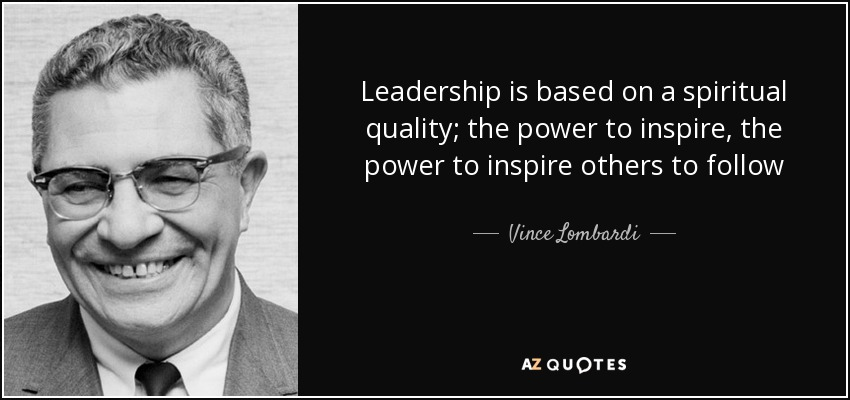
Leadership is the Power of Spiritual Quotient
A Transformative Perspective for 21st Century Leadership Excellence
I. Introduction: Rethinking Leadership Beyond IQ and EQ
In the 21st century, leadership is no longer solely defined by intelligence (IQ) or emotional awareness (EQ). While cognitive and emotional intelligences were long considered cornerstones of leadership, today’s complex, uncertain, and value-deficient world demands a higher order intelligence — the Spiritual Quotient (SQ).
Leadership is the power of Spiritual Quotient because it aligns values, vision, and vitality, catalyzing a leader’s capacity to inspire, transform, and elevate human potential. It brings a sense of purpose, morality, and inner stability that neither IQ nor EQ alone can offer.
“IQ makes you smart, EQ makes you human, but SQ makes you whole.” — Danah Zohar
II. Understanding Spiritual Quotient (SQ)
What is SQ?
Spiritual Quotient is the intelligence by which we understand meaning, purpose, values, and interconnectedness. It is the foundation that enables leaders to transcend ego, embrace authenticity, live consciously, and serve with a higher cause.
Danah Zohar & Ian Marshall’s 12 Principles of SQ:
- Self-awareness
- Spontaneity
- Being Vision- & Value-led
- Holism
- Compassion
- Celebration of Diversity
- Field Independence
- Humility
- Tendency to Ask Fundamental “Why” Questions
- Ability to Reframe
- Positive Use of Adversity
- Sense of Vocation
III. Why Spiritual Quotient is the Most Powerful Quotient Today
| Quotient | Focus | Limitation Without SQ |
|---|---|---|
| IQ | Logical reasoning, cognitive processing | Lacks empathy, ethics, moral compass |
| EQ | Emotional regulation, interpersonal skills | Can be manipulated for personal gain |
| SQ | Purpose, meaning, value, service to others | Elevates and harmonizes IQ + EQ |
Why SQ Outranks All:
- Helps leaders stay calm and wise in uncertainty
- Builds trust and ethical alignment
- Encourages long-term impact
- Drives legacy-focused leadership
IV. Role of SQ as a Catalytic Force in Leadership
SQ as the Internal Compass Driving:
- Authenticity
- Wisdom-based decision-making
- Servant leadership mindset
- Resilience and antifragility
- Collective transformation
| Leadership Function | Catalyzed by SQ |
|---|---|
| Vision Setting | Anchored in universal values |
| Decision Making | Guided by moral clarity and empathy |
| Conflict Resolution | Harmonizing differing worldviews |
| Culture Building | Fosters trust, inclusivity, belonging |
| Stakeholder Engagement | Purpose-driven leadership narrative |
V. Frameworks that Empower Leadership through SQ
1. The 4Q Model (Anupam Sharma Strategic Synthesis)
IQ + EQ + PQ (Physical) + SQ = Holistic Leadership
2. Ken Wilber’s Integral Theory
AQAL Framework: Integrates inner and outer dimensions of leadership.
3. Barrett’s 7 Levels of Consciousness for Leaders:
- Survival
- Relationship
- Self-esteem
- Transformation
- Internal cohesion
- Making a difference
- Service to humanity
4. Maslow’s Hierarchy (Revised)
Self-transcendence = Serving a higher purpose beyond self-actualization.
5. VIA Character Strengths Framework
Gratitude, humility, transcendence, purpose, forgiveness — core to SQ.
VI. Global Research & Academic Validation of SQ in Leadership
Harvard Business Review (HBR):
- Purpose-Driven Leaders: +42% in performance, better retention.
Yale School of Management:
- “Moral Leadership” programs emphasize values, ethics, compassion.
MIT Sloan:
- Purpose + Mindfulness + Systems Thinking = SQ-based leadership.
Stanford University:
- “Transformational Presence” linked to conscious awareness and intuitive intelligence.
VII. Big Four Consulting Firms & SQ-Driven Leadership Strategy
McKinsey & Company:
- “Hidden Value of Purpose” Report: SQ-led companies outperform by 2x.
- Organizational Health Index includes trust and meaning.
Deloitte:
- “Human Capital Trends”: Meaning, well-being, trust = success drivers.
PwC:
- Purpose-led transformation; authentic storytelling and legacy building.
EY:
- Inclusive capitalism and conscious leadership as central to business.
VIII. Tools to Measure SQ in Leaders
- SQ21 Assessment – 21 spiritual intelligence competencies
- Barrett Values Assessment
- Gallup Purpose Index
- Hogan Motive & EQ + Transcendence Add-ons
IX. Real-Life Leadership Models Driven by SQ
Satya Nadella (Microsoft) – Empathy, humility, learning culture.
Ratan Tata (Tata Group) – Ethics, long-term vision, human welfare.
Jacinda Ardern (New Zealand PM) – Compassionate, calm leadership.
X. The Takeaway: SQ is the Future of Sustainable Leadership
| Takeaway | Description |
|---|---|
| 1 | Lead from inner purpose, not outer ambition |
| 2 | Anchor decisions in universal values |
| 3 | Cultivate stillness, mindfulness, clarity |
| 4 | Practice gratitude, humility, forgiveness |
| 5 | Foster trust and belonging in teams |
| 6 | Redefine success as people, planet, purpose |
| 7 | Ritualize meaningful actions |
| 8 | Coach others to discover their SQ |
| 9 | Ask “Why” before “What” and “How” |
| 10 | Be a steward, not just a star |
XI. Conclusion: The SQ Manifesto for Leadership
“True leadership is not about power over people, but the power to elevate people.”
Leadership powered by SQ integrates humanity, humility, and higher wisdom. It transforms profit-driven intent into purpose-led impact. As global organizations shift toward conscious capitalism and soulful productivity, Spiritual Quotient becomes the X-factor for true leadership and societal transformation.
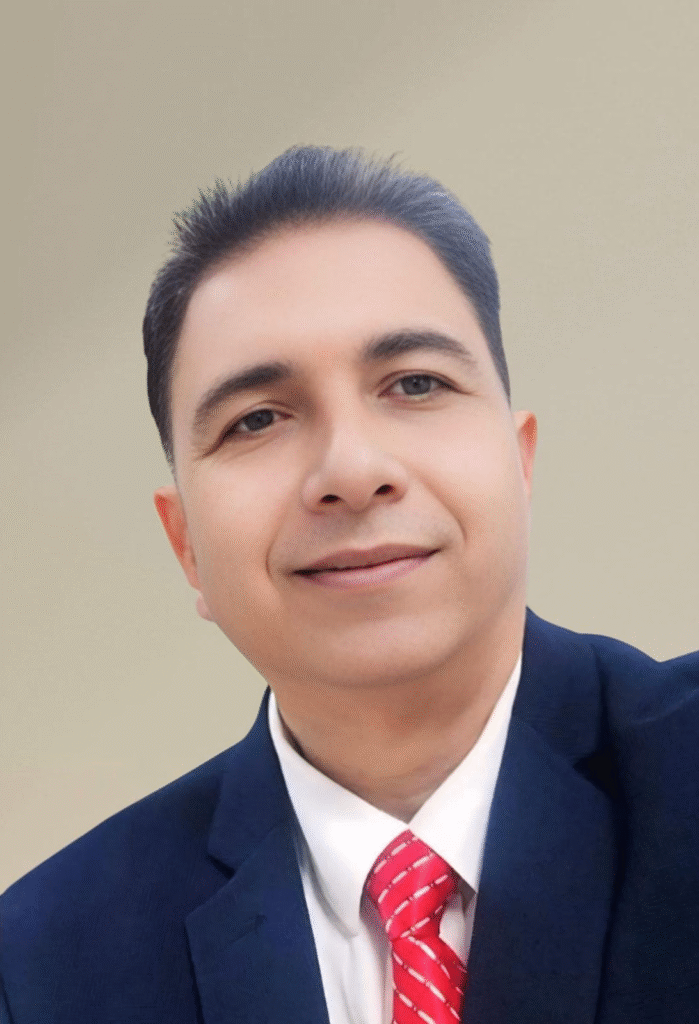
Anupam Sharma
Psychotech Evangelist
Coach I Mentor I Trainer
Counselor I Consultant