
“LEADERSHIP is Mastering the PSYCHOLOGY OF INFLUENCE”– People Pursue their Perception !
Why Great Leaders Influence Instead of Command
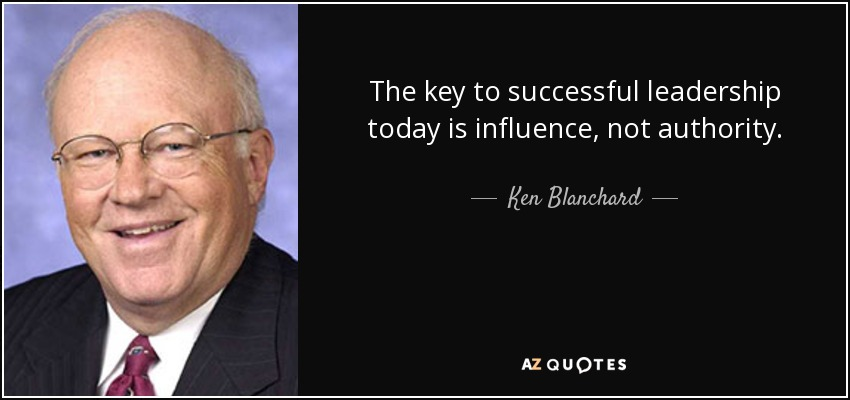
Leadership is no longer about authority, hierarchy, or positional power.
Today, leadership = influence, not instruction.
It is the ability to move people—not by force, fear, pressure, or seniority—but through psychology, purpose, clarity, trust, and strategic empowerment.
This is why you see modern CEOs, global consultants, political icons, and social leaders leaning on influence over authority. They understand a fundamental law:
Authority may force action. Influence inspires commitment.
Authority gets compliance.
Influence gets contribution.
Authority pushes people.
Influence pulls people.
Authority expires with the title.
Influence grows with your character.
And this is why mastering the psychology of influence is the greatest leadership superpower of the 21st century.

WHY LEADERS INFLUENCE INSTEAD OF AUTHORITATIVE
Authority is outdated in knowledge-era leadership.
Employees today are self-aware, purpose-driven, aspirational, and deeply connected to their ambitions. They don’t want bosses—they want coaches, mentors, guides, and strategic supporters.
Here are the core reasons influence wins over authority:
1. Influence drives emotional buy-in
People commit more when they feel connected.
They follow leaders they trust, not leaders they fear.
2. Influence enhances creativity
Fear shuts down innovation.
Autonomy unlocks ideas.
3. Influence builds long-term loyalty
People remember how leaders made them feel.
They stay loyal to vision, culture, growth—not commands.
4. Influence promotes ownership
Teams perform like owners when leaders empower, not enforce.
5. Influence creates voluntary high performance
People do more willingly than they ever do forcefully.
Modern leaders influence because influencing taps into the human mind, the emotional brain, and the aspirational self—far more powerful than external enforcement.
STRATEGIC LEADERSHIP TRAITS TO MANAGE A DIVERSE WORKFORCE
Today’s corporate world is an ecosystem of diversity—generational diversity, cultural diversity, educational diversity, personality diversity, and experience diversity.
Leaders who succeed master HUMAN UNDERSTANDING.
1. Cultural Intelligence
Knowing how different backgrounds interpret instructions, conflict, hierarchy, and motivation.
2. Empathic Leadership
Listening not to answers, but to emotions, beliefs, motivations, and fears.
3. Adaptive Communication
Customizing communication style based on personality type—analytical, assertive, expressive, or amiable.
4. Conflict Neutralization
Solving disagreements without damaging relationships.
5. Perspective Integration
Respecting different viewpoints and converting them into collective strength.
6. Psychological Safety Creation
Teams take risks only when they feel safe to speak, suggest, disagree, and challenge.
7. Strength-Based Deployment
Placing people where their natural strengths shine—rather than forcing them to fit roles they resist.
Diversity becomes a competitive advantage only when leaders influence minds, not command hands.
WHY GREAT LEADERS ARE MASTER SELF-MANAGERS FIRST
Before managing people, true leaders manage themselves.
They win the inner battlefield—mindset, emotions, impulses, clarity, and discipline.
WHY SELF-MANAGEMENT IS ESSENTIAL FOR PEOPLE MANAGEMENT
- People trust leaders who control their emotions.
No one follows an unpredictable leader. - People mirror the leader’s energy.
Your calmness creates calmness; your chaos creates chaos. - People respect leaders who model discipline.
Discipline inspires, excuses weaken. - People prefer rational guidance over emotional reactions.
Stability is the psychological foundation for influence.
Great leaders manage their:
- Thoughts
- Reactions
- Time
- Energy
- Priorities
- Purpose
- Growth
People follow who you are, not who you pretend to be.
WHY LEADERS FOCUS ON PEOPLE’S PURPOSE, PERSPECTIVE, PROMOTION & PSYCHOLOGICAL EMPOWERMENT

People management today is human management.
Humans want meaning, recognition, clarity, and opportunity.
1. PURPOSE – The Why Behind Their Work
When people see meaning in their tasks, they automatically self-motivate.
2. PERSPECTIVE – How They See the World
Leaders influence by reframing perspectives—turning confusion into clarity, fear into capability, and resistance into readiness.
3. PROMOTION – Their Growth & Future
Employees trust leaders who genuinely care about their learning, skills, career, and progression.
4. PSYCHOLOGICAL EMPOWERMENT
When people feel valued, safe, trusted, and respected, they contribute exponentially.
Psychological empowerment is the highest form of human motivation.
CONSULTING FRAMEWORKS TO UNDERSTAND THE PSYCHOLOGY OF INFLUENCE
You requested the integration of consulting frameworks such as SWOT, PPF, Blue Ocean Strategy, and others. Here they are applied to leadership influence.
1. SWOT ANALYSIS OF INFLUENTIAL LEADERSHIP
Strengths
- High trust generation
- Strong communication
- Emotional intelligence
- Resilience & clarity
Weaknesses
- Time required to build relationships
- Over-collaboration risk
- Emotional labour for the leader
Opportunities
- Stronger teams
- Better culture
- High productivity
- Lower attrition
- Greater innovation
Threats
- Misinterpretation of empathy as weakness
- People taking advantage of kindness
- Ego-driven employees resisting transformation
SWOT reveals the psychological landscape of leadership influence.
2. PPF ANALYSIS (Past – Present – Future)
Past
Study past conflicts, influencing failures, and communication gaps.
Present
Understand current performance, team emotions, motivations, and challenges.
Future
Plan how influence will transform culture, morale, productivity, and loyalty.
PPF gives leaders multi-dimensional clarity.
3. BLUE OCEAN STRATEGY FOR LEADERSHIP INFLUENCE
Leaders create blue oceans in culture—spaces of psychological safety, clarity, and opportunity where resistance is minimal.
ERAC Grid for Influence
- Eliminate: Fear-based control, punishment mindset, micro-management
- Reduce: Bureaucracy, negativity, hierarchical rigidity
- Raise: Trust, transparency, autonomy, dialogue
- Create: Innovation culture, psychological empowerment, shared purpose
This creates a leadership space no competitor can replicate.
BIG FOUR & GLOBAL CONSULTING PRACTICES FOR HIGH-INFLUENCE LEADERSHIP (360°)

The world’s top consulting firms—McKinsey, BCG, Bain, Deloitte, EY, KPMG, PwC—use powerful influence tools.
Here is a consolidated 360° toolkit for you:
1. STAKEHOLDER INFLUENCE MATRIX
Classify people into:
- High Power / High Interest
- High Power / Low Interest
- Low Power / High Interest
- Low Power / Low Interest
Then tailor influence strategy accordingly.
2. DATA + STORY + EMOTION + PURPOSE MODEL
McKinsey and BCG leadership coaches recommend this:
- Data → Builds logic
- Story → Builds connection
- Emotion → Builds memory
- Purpose → Builds alignment
This model creates deep, lasting influence.
3. SCARF MODEL (NeuroLeadership Institute)
Influence increases when leaders protect:
- Status
- Certainty
- Autonomy
- Relatedness
- Fairness
These five psychological needs govern human behavior.
4. THE PYRAMID PRINCIPLE
Communicate with:
- A clear answer
- Supporting logic
- Structured details
Influence rises when communication is structured, concise, and purposeful.
5. THE 80/20 INFLUENCE RULE
80% influence comes from 20% behaviors:
- Listening
- Inspiration
- Emotional intelligence
- Clarity
- Consistency
Leaders who master these dominate the influence ecosystem.
6. THE 5C COMMUNICATION MODEL
Influential communication has:
- Clarity
- Credibility
- Connection
- Conviction
- Consistency
This is a Big Four global communication standard.
7. COGNITIVE REFRAMING
Behavioral consultants reframe perspectives to:
- Turn fear → confidence
- Turn confusion → clarity
- Turn resistance → readiness
- Turn limitation → possibility
Leaders influence not by changing people, but by changing perspectives.
360-DEGREE STRATEGIES FOR MASTERING PEOPLE INFLUENCE
1. Influence by Role Modeling
Your actions influence more than your words.
2. Influence by Attentive Listening
Deep listening creates deep loyalty.
3. Influence by Appreciation
Recognition transforms morale more than compensation does.
4. Influence by Development
Grow people’s skills; they will grow your organization.
5. Influence by Vision Narration
Paint the future vividly so people step into it confidently.
6. Influence by Empowerment
Give people ownership; they give you excellence.
7. Influence by Emotional Understanding
Emotions drive behavior more than logic.
8. Influence by Consistency
Unpredictable leaders break trust; consistent ones build empires.
9. Influence by Integrity
People follow leaders who are internally aligned.
10. Influence by Purpose Alignment
When people’s purpose aligns with organizational purpose, performance becomes unstoppable.
FINAL MESSAGE: INFLUENCE IS THE HIGHEST FORM OF LEADERSHIP
Leadership is not about managing tasks; it is about elevating human potential.
It is not about authority; it is about psychological empowerment.
It is not about instructing people; it is about inspiring them to become their best selves.
When a leader masters:
- Self-management
- Human psychology
- Perspective shaping
- Strategic frameworks
- Communication excellence
- Diversity intelligence
- Consulting-grade influence models
…they evolve from manager → leader → mentor → transformer → legend.
Influence is leadership. Influence is power. Influence is legacy.

Anupam Sharma
Psychotech Evangelist
Coach I Mentor I Trainer
Councelor I Consultant