
Leadership is Creating Master Mind Group: The Ultimate Strategic Forc
Introduction
Leadership has always been about more than authority, position, or power. At its essence, leadership is the art of creating synergy, harnessing collective intelligence, and channeling energy towards a shared purpose. One of the most powerful vehicles for this is the Master Mind Group. Coined by Napoleon Hill in Think and Grow Rich, the idea of a Master Mind group has evolved into a globally recognized practice adopted by successful entrepreneurs, leaders, and organizations.
A true leader doesn’t just build teams; he or she creates a Master Mind Group—a conscious alliance of people bound by shared vision, trust, and complementary strengths. In this way, leadership transforms individual sparks into collective fire.
Core Concept of Master Mind Group
A Master Mind Group is not merely a team or a network—it is a strategically designed ecosystem where individuals contribute diverse expertise, perspectives, and resources to multiply outcomes. The fundamental principle is:
“Two minds, when united in harmony, create a third invisible force greater than the sum of its parts.”
This force—often described as the Master Mind energy—creates:
- Accelerated learning (leveraging shared knowledge & experiences).
- Collaborative problem-solving (innovative, 360° solutions).
- Mutual accountability (commitment towards collective success).
- Exponential growth (synergy beyond linear progress).
In short, a Master Mind Group converts individual capability → collective wisdom → amplified results.
Why Successful Stakeholders Constitute Powerful Dynamics
When stakeholders in a Master Mind Group align, the dynamics become unshakable because:
- Diversity of Strengths – Like the Panch Mahabhutas (five elements in Indian wisdom), each member represents a unique element. Their balance creates sustainable strength.
- Trust & Transparency – Mutual respect eliminates silos, fostering psychological safety.
- Collective Accountability – Each member acts as both leader and follower, a servant-leadership model.
- Synergy Effect – One person’s limitation is compensated by another’s strength.
- Shared Vision – Stakeholders become co-creators of a destiny rather than individual performers.
The Art & Science of Making a Master Mind Group
Creating a Master Mind Group is both art (intuition, culture, values) and science (structure, process, tools).
The Art
- Purpose Alignment – Define a clear “why.” (Inspired by Ikigai and Gita’s Nishkama Karma—action with purpose but without ego).
- Chemistry & Trust – Select individuals whose values resonate.
- Empathetic Leadership – Nurture open communication & respect.
- Energy Balance – Ensure positive vibrations, enthusiasm, and commitment.
The Science
- Structured Meetings – Fixed agendas, time-boxed discussions, SMART objectives.
- Defined Roles – Rotating facilitation, note-taking, accountability leaders.
- Metrics & Feedback – Track progress with KPIs & retrospective reviews.
- Integration with Tools – Frameworks, dashboards, knowledge systems.
Factors in Building a Powerful Master Mind Group
- Shared Vision & Mission – A lighthouse guiding the group.
- Diversity of Skills – Balance of technical, strategic, and creative competencies.
- Trust & Confidentiality – Safe space for vulnerability and sharing.
- Commitment & Consistency – Regular interaction and discipline.
- Leadership & Facilitation – Neutral guidance ensuring balance.
- Learning Culture – Openness to feedback, reflection, and continuous improvement.
- Spiritual Anchoring – Inspired by ancient sabhas (like Chanakya’s council, Krishna’s guidance to Pandavas), where wisdom and dharma guided decisions.
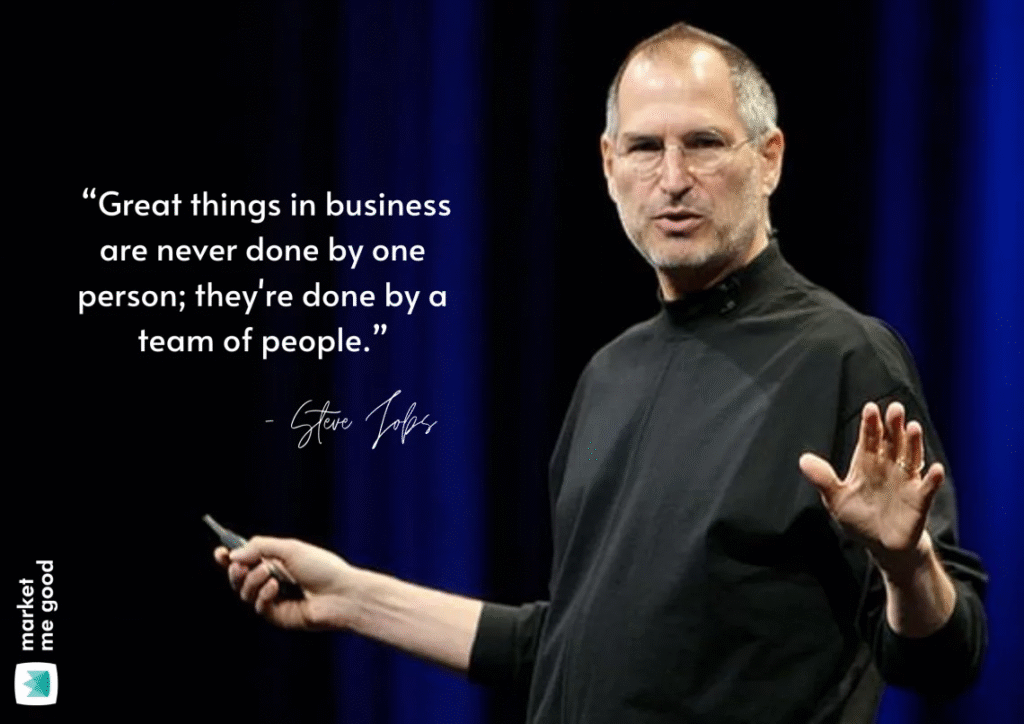
Master Mind Group vs Team Creation
- Team = Formed for task execution, hierarchical, often role-driven.
- Group = Loose association, may lack alignment or accountability.
- Master Mind Group = Hybrid of both, but elevated: purpose-driven, collaborative, non-hierarchical, synergy-focused.
Fundamental Difference:
A team executes projects, a Master Mind Group co-creates future possibilities.
Alignment with Models & Frameworks
1. SWOT Analysis
A Master Mind Group strengthens opportunities and mitigates threats by pooling perspectives. Strengths & weaknesses are balanced through complementary skills.
2. 80/20 Rule (Pareto Principle)
Group focus ensures leaders concentrate on the 20% high-impact actions that deliver 80% results, reducing wasted effort.
3. PPF Analysis (Past-Present-Future)
Collective wisdom allows reflective learning (past), agile adaptation (present), and visionary planning (future).
4. Blue Ocean Strategy
By encouraging innovative collaboration, groups identify uncontested market spaces and redefine value propositions.
5. 5W/H Analysis
The group ensures clarity on Who, What, When, Where, Why, and How before decision-making.
6. I/E Analysis (Internal/External)
The group assesses both internal strengths/resources and external threats/opportunities with balanced objectivity.
7. Purpose Analysis
Every group thrives on a shared WHY, aligning personal purpose with collective purpose.
8. Design Thinking
Master Mind Groups embody empathy, ideation, prototyping, and testing—core design thinking steps.
9. Strategy Map & Kaizen
The group builds a strategy map (cause-effect chains) while embedding Kaizen (continuous improvement) practices.
10. APQC Models
Knowledge sharing and benchmarking are natural strengths of such groups, echoing APQC’s process maturity and best practices frameworks.
Big Four & Consulting Practices
The Big Four (PwC, Deloitte, EY, KPMG) have institutionalized Master Mind concepts through:
- Cross-functional consulting teams blending financial, technological, and strategic expertise.
- Knowledge sharing platforms (APQC-style repositories).
- Client-centered advisory boards simulating Master Mind dynamics.
- Innovation hubs fostering design thinking and blue ocean exploration.
For example, McKinsey’s “three horizons framework” or Deloitte’s “greenhouse sessions” reflect the very spirit of collective problem-solving in Master Mind settings.
Ancient Wisdom Parallels
- Krishna’s guidance to Arjuna: A Master Mind of divine counsel, aligning dharma with strategy.
- Chanakya’s Raj Mandal Theory: Networks of kings and allies acting as Master Mind groups for statecraft.
- Upanishadic Sabhas: Forums for dialogue, debate, and collective enlightenment.
- Buddhist Sangha: A Master Mind of seekers sharing collective discipline and wisdom.
These traditions show that the idea of pooling wisdom is not new—it is deeply rooted in Sanatan Dharma and global spiritual legacies.
Horizontal & Vertical Analysis
Horizontal Analysis (Breadth)
- Across industries (business, politics, education, NGOs).
- Across domains (strategy, innovation, operations, human capital).
- Across time (ancient wisdom to digital ecosystems).
Vertical Analysis (Depth)
- From vision setting → strategy mapping → tactical execution.
- From individual mindset → group dynamics → organizational culture.
- From self-mastery → team mastery → societal transformation.
Conclusion
Leadership today is not about command and control but about connect and co-create. A Master Mind Group embodies this philosophy by creating a living laboratory of wisdom, innovation, and accountability.
It is where SWOT meets Dharma, Blue Ocean meets Gita’s purpose, and Kaizen meets the ancient sabhas of Bharat.
If leadership is the fire, the Master Mind Group is the oxygen that sustains and magnifies it.
In essence:
Great leaders don’t just build teams—they create Master Mind Groups that change the game, the market, and the future.
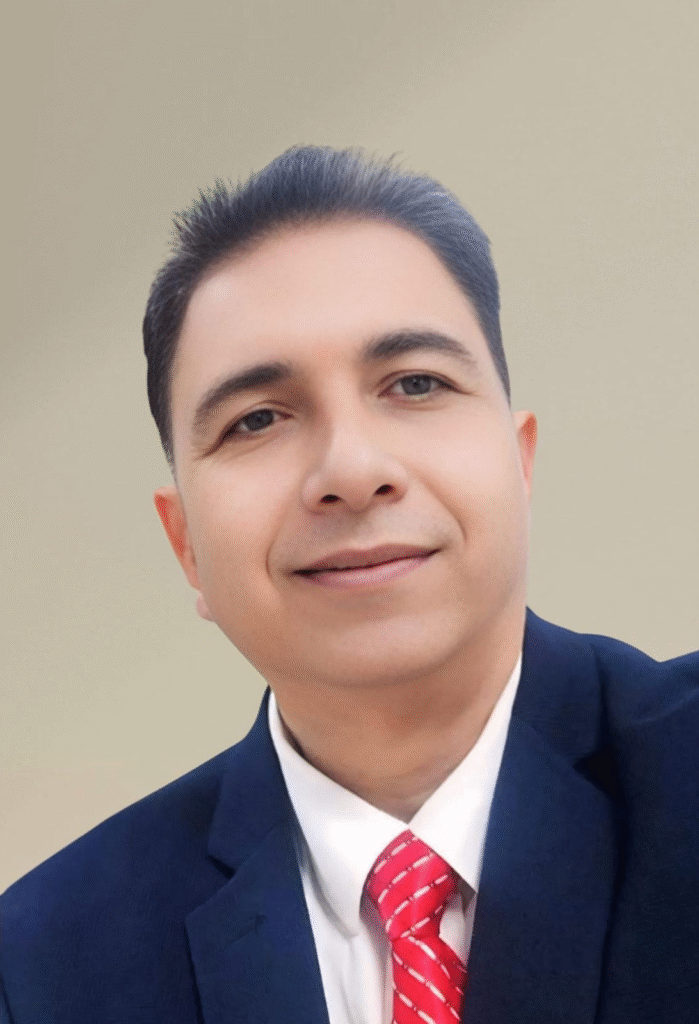
Anupam Sharma
Pschotech Evangelist
Coach I Mentor I Trainer
Councelor I Consultant