
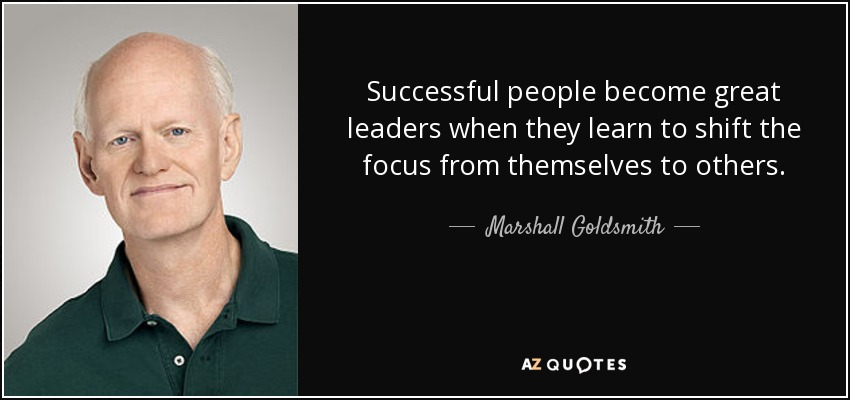
WHY “Contribution” Is the Fundamental Leadership Mindset
1. Leadership = Impact
The value of leadership is measured not by how much power one holds, but by how much positive contribution they catalyze. Leaders inspire others to give their best in alignment with a larger goal.
2. People Development = Purpose Amplification
Leaders see people not as resources, but as reservoirs of unrealized potential. They coach, mentor, and model contribution so others can discover their purpose.
3. Contribution Fosters Ownership
When people contribute meaningfully, they feel engaged, responsible, and emotionally invested in the outcome. Great leaders drive this ownership at all levels.
4. Sustainable Leadership Is Contribution-Centric
Legacy is built not through dominance but through a culture of contribution that outlives the leader.
WHY Leaders Are Passionate About Unlocking Inner Potential
- They believe purpose precedes performance.
- They practice servant leadership, focusing on empowering rather than commanding.
- They understand that inner potential is latent energy, and contribution channels it productively.
- They value psychological safety, motivation, meaning, and mastery as tools for contribution.
TOOLKITS, PRINCIPLES & METHODOLOGIES to Drive Contribution Leadership
| CATEGORY | TOOLS / METHODS | PURPOSE |
|---|---|---|
| Mindset Activation | Ikigai Framework, Gallup StrengthsFinder, CliftonStrengths, MBTI | Helps individuals discover meaningful contribution zones |
| Team Potential Mapping | Talent-Passion-Purpose Matrix, 9-box Grid | Maps people to the right contribution roles |
| Engagement Design | OKR (Objectives & Key Results), SCORE Model (Strengths, Challenges, Options, Resources, Execution) | Aligns contribution with measurable outcomes |
| Communication | Radical Candor, Feedforward Model | Fosters real-time contribution-enhancing feedback |
| Culture & Rituals | Appreciative Inquiry, Daily Huddles, Rituals of Recognition | Embeds contribution in organizational DNA |
STRATEGIC FRAMEWORK: The Contribution Mix Design Framework (CMD-FX)
1. Purpose Clarity
- Define why the organization/project exists
- Map how each role connects to it
2. Talent-Passion-Purpose Alignment
- Assess individual strengths, drives, and aspirations
- Match these with strategic priorities
3. Role Contribution Canvas
- Who contributes what?
- What is the expected outcome?
- What does success look like?
4. Contribution Feedback Loops
- Regular check-ins on effectiveness, obstacles, and innovations
- Reward visible contribution, not visibility alone
5. Recognition & Realignment
- Celebrate top contributors visibly
- Realign mismatched contributors to better-suited roles
CONTRIBUTION MIX + AIDA + 80/20 Model
AIDA = Attention → Interest → Desire → Action
AIDA is not just for marketing—it’s a contribution engagement model.
| AIDA STAGE | CONTRIBUTION STRATEGY |
|---|---|
| Attention | Leaders share a clear, inspiring vision that attracts attention |
| Interest | They personalize the narrative to align with individual aspirations |
| Desire | They build emotional and rational motivation to contribute |
| Action | They remove friction and facilitate execution, visibility, and feedback |
80/20 Effectiveness
Leaders analyze which 20% of people/actions are driving 80% of value. They then:
- Double down on empowering top contributors
- Coach or reposition the bottom 80%
- Use data-driven dashboards to visualize contribution velocity
ROADMAP to FIX the CONTRIBUTION MIX
| STAGE | STRATEGIC ACTIONS |
|---|---|
| 1. Audit Contribution | Use contribution mapping, skill-matrix, impact scores |
| 2. Define Impact Zones | Create a visual canvas: Core Tasks, Creative Tasks, Collaborative Tasks |
| 3. Empower Roles | Align KPIs to contribution, not just compliance |
| 4. Design Environment | Build a culture of innovation, accountability & open feedback |
| 5. Monitor & Mentor | Use feedback, peer reviews, and growth plans |
| 6. Reinforce & Recognize | Weekly wins, spotlight sessions, learning credits |
STRATEGIC FRAMEWORK – The “LEAD-C” Model
| Element | Description |
|---|---|
| L – Listen Deeply | Understand people’s internal aspirations |
| E – Empower Authentically | Provide resources, authority & trust |
| A – Align Strategically | Match roles to strengths and vision |
| D – Deliver Growth | Set people up to succeed and grow |
| C – Celebrate Contribution | Make impact visible and contagious |
PSYCHOLOGICAL MODELS FOR SUSTAINING CONTRIBUTION
- Self-Determination Theory (SDT): Autonomy + Competence + Relatedness = Sustained Contribution
- Flow State (Csikszentmihalyi): Align skill level with challenge to keep contributors engaged
- Maslow’s Hierarchy of Needs: Self-actualization happens through contribution
- Growth Mindset (Carol Dweck): Leaders reinforce learning as a key contribution mindset
FINAL TAKEAWAY
“Leadership is not a spotlight—it’s a mirror to help others see their light.“
The ultimate task of a leader is to define, design, and develop the pathways for contribution, and then remove the barriers that stop people from stepping into their full potential. The leader becomes the architect of a Contribution Ecosystem where:
- Everyone is aligned to a meaningful cause
- Contribution is visible, recognized, and nurtured
- The organization becomes a force multiplier of human potential
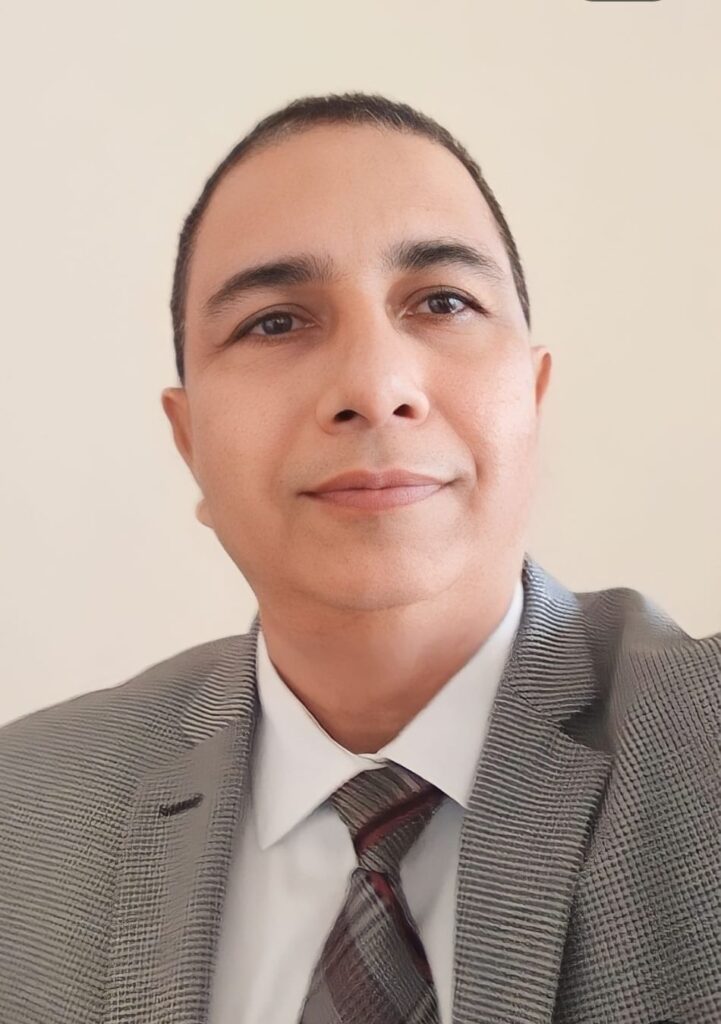
Anupam Sharma
Psychotech Evangelist
Coach I Mentor I Trainer
Counselor I Consultant