
1. WHY Self-Change is the Root of All Leadership Change
A simple but profound truth:
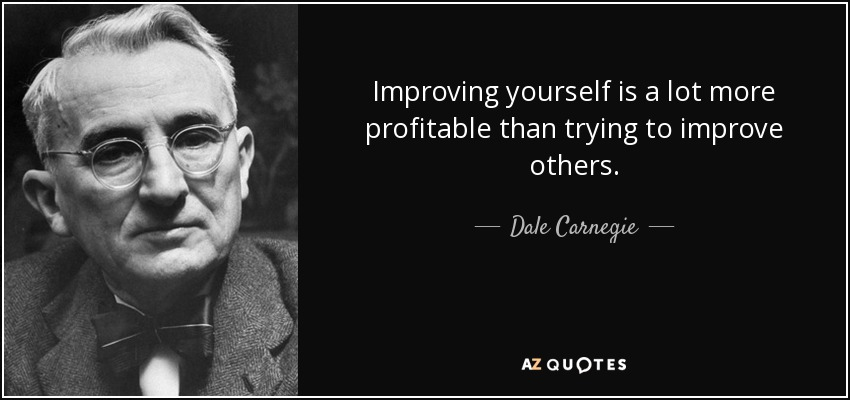
“You cannot change the world if you cannot change yourself.”
Leaders who focus on self-change unlock four strategic levers:
- Credibility & Trust – People follow who they believe. Self-change makes your leadership authentic.
- Adaptive Intelligence – Change-ready leaders think fluidly, adjusting strategies with time, market, and team dynamics.
- Ripple Effect – Self-change inspires behavioral shifts in others without force.
- Control in Chaos – The only constant a leader can truly control is their own response, skillset, and mindset.
2. Why Self-Change Can Change the World
Self-change acts like the lever in Archimedes’ principle — you move yourself, and the world shifts.
- Mindset Shift → Team Culture Shift → Organizational Shift → Market Influence
- Example: Gandhi’s principle of “Be the change you wish to see in the world” was not a slogan but a change management method—his fasting, walking, and nonviolent stance shifted an empire.
In corporate consulting, McKinsey and BCG often begin transformations with leadership behavior change before process change. Why?
Because without leadership shift, processes relapse into old patterns.
3. Strategic Models to Understand Self-Change in Leadership
3.1. The Inner-to-Outer Change Flow Model
A 4-layer transformation cycle:
- Self-Awareness – Identify gaps in skills, habits, emotional triggers.
- Self-Regulation – Build discipline, routines, and emotional mastery.
- Self-Alignment – Align personal purpose with organizational mission.
- Self-Expansion – Influence others through modeling desired behaviors.
3.2. Kotter’s 8-Step Change Model (Leader’s Self-Change Lens)
Normally used for org change, but when inverted, it’s a self-change accelerator:
- Create urgency – Internal reason to evolve.
- Form a guiding coalition – Mentors, coaches, or mastermind groups.
- Develop a vision for change – Personal growth roadmap.
- Communicate the vision – Share with peers for accountability.
- Empower action – Acquire resources, tools, habits.
- Generate short-term wins – Micro-achievements to build momentum.
- Consolidate gains – Integrate change into identity.
- Anchor change in culture – Make it your default mode.
3.3. McKinsey’s 7-S Framework for Self-Change
- Strategy – Personal growth strategy.
- Structure – Time blocks & environment setup for success.
- Systems – Productivity & feedback systems.
- Shared Values – Personal purpose & ethics.
- Skills – Continuous upskilling.
- Style – Leadership and communication style evolution.
- Staff – People you surround yourself with (peer influence).
4. Why Change is Certain and How Leaders Use it as Growth Vehicle
Change is inevitable because of:
- Time (aging, life stages, deadlines)
- Resources (scarcity, abundance, tech shifts)
- Events (economic cycles, crises)
- Relationships (alliances, conflicts)
- Personality (maturity, burnout, mindset)
Leaders adopt/adapt change by:
- Seeing change as a pattern, not an accident
- Treating discomfort as feedback, not failure
- Leveraging momentum during change to accelerate progress
Ancient Wisdom Parallel:
The Bhagavad Gita’s teaching of “Nitya Anitya Viveka” (distinguishing between the eternal and the transient) — leaders understand what must be preserved (values) vs. what must evolve (methods).
5. Productive Frameworks, Tools, Principles, Laws & Practices
5.1. The 360° Change Management Blueprint for Leaders
| Phase | Leader’s Focus | Tools/Practices | Outcome |
|---|---|---|---|
| Self-Awareness | Assess strengths & blind spots | SWOT + Johari Window | Clarity on self-change priorities |
| Self-Mastery | Build new habits | Atomic Habits Method, Timeboxing | Increased consistency |
| Change Influence | Model new behaviors | Storytelling, Leading by Example | Team trust & buy-in |
| Change Scaling | Embed change in systems | OKRs, Feedback loops | Sustainable change culture |
5.2. Laws of Effective Self-Change for Leaders
- Law of Alignment – Change must serve both personal and organizational vision.
- Law of Leverage – Small internal changes can trigger big external results.
- Law of Environment – Change sticks when surroundings support it.
- Law of Iteration – Repeat until it becomes identity.
5.3. Change Tools Consulting Firms Use
- McKinsey Influence Model – Role modeling, fostering understanding, reinforcing mechanisms, skill building.
- BCG Smart Simplicity – Focus on cooperation over control.
- PwC Change Navigator – Scenario planning + behavior mapping.
6. How Leaders Empower & Drive Change Management Efficiently
6.1. Personal Level
- Continuous Learning – Reading, courses, executive coaching.
- Daily Reflection – Journaling successes & failures.
- Energy Management – Physical, mental, and emotional fitness.
6.2. Organizational Level
- Communicate the Why – Purpose-driven narrative.
- Involve People Early – Build co-ownership of change.
- Reward Adoption – Recognize behaviors, not just results.
7. Corporate & Personal Application
Corporate
- Example: Satya Nadella at Microsoft — Changed his own leadership style (empathy-driven) → cultural reset → innovation boom.
- Consulting firms first coach top leadership, then roll out change across systems.
Personal
- Example: A leader shifting from reactive to proactive decision-making sees their relationships, productivity, and opportunities improve dramatically.
8. Strategic Models to Elaborate Impact & Significance
- ADKAR Model – Awareness, Desire, Knowledge, Ability, Reinforcement (powerful for both personal and org change).
- Kaizen – Continuous small improvements.
- SCARF Model (Neuroscience-based) – Change sticks when Status, Certainty, Autonomy, Relatedness, Fairness are addressed.
9. 360° Impact of Leaders Who Focus on Self-Change
| Domain | Result |
|---|---|
| Self | Greater resilience, clarity, emotional intelligence |
| Team | Higher trust, lower resistance |
| Organization | Sustainable innovation, stronger culture |
| Society | Positive role model, influence beyond org |
10. Final Expert Insight
Leaders who embrace self-change don’t just react to the world — they redesign it.
They turn inevitable change into a strategic growth engine, both for themselves and their teams.
And in the playbook of big consulting firms, self-change is the first domino—once it falls, processes, systems, and markets follow.

Anupam Sharma
Psychotech Evangelist
Coach I Mentor I Trainer
Concelor I Consultant