
Why Leaders Focus on Self-Investment: The Highest ROI for 360° Growth
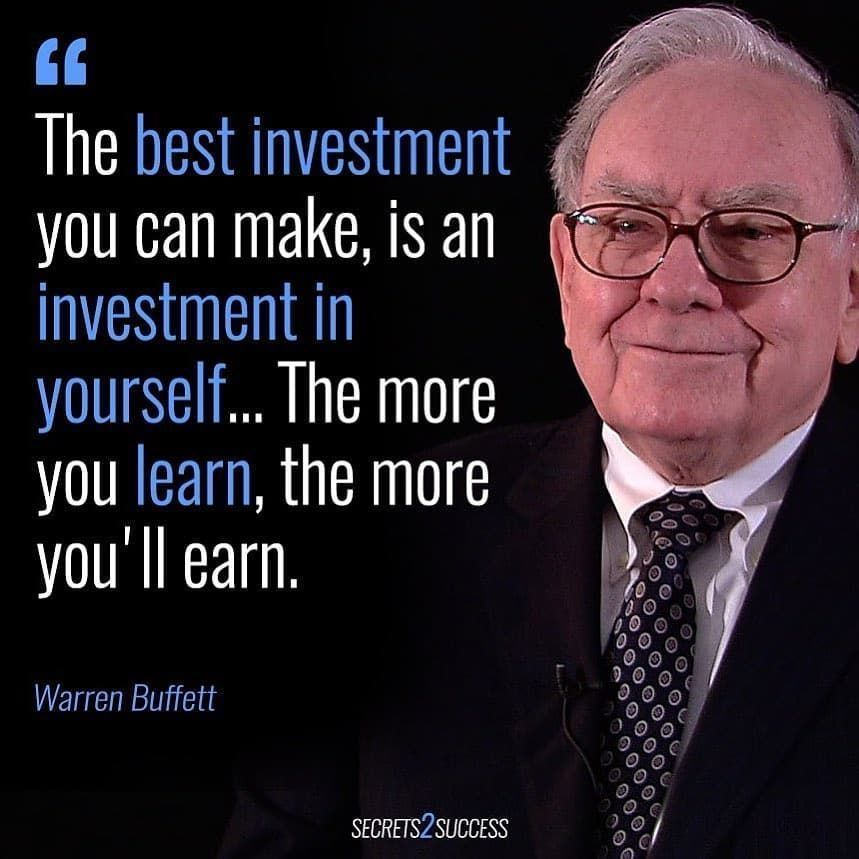
When Warren Buffett famously said, “The best investment you can make is in yourself,” he wasn’t simply giving financial advice—he was articulating one of the deepest truths of leadership. Every leader, past or present, who has left a lasting impact on organizations, societies, or nations has lived this philosophy: self-investment is the biggest investment opportunity, with unmatched ROI.
Unlike stocks, real estate, or technology, self-investment compounds in ways that no external asset can match. It transforms thinking, sharpens decision-making, expands influence, and builds resilience. More importantly, it doesn’t just create individual success—it creates environmental empowerment, influencing ecosystems, communities, and organizations.
This blog explores why leaders prioritize self-investment, what outcomes it generates at a 360° scale, and how leaders strategically interpret and design their growth through continuous self-evaluation and empowerment frameworks.
Why Self-Investment Is the Biggest ROI Opportunity
In financial terms, ROI (Return on Investment) measures profit generated from capital. But in leadership, ROI translates into:
- Return on Insight – Gaining clarity, wisdom, and foresight.
- Return on Influence – Expanding the ability to inspire and empower others.
- Return on Integrity – Building credibility, trust, and alignment between values and actions.
- Return on Impact – Creating results that outlast the leader’s presence.
Leaders understand that when they invest in themselves—through education, skills, emotional mastery, health, spirituality, and strategic thinking—they are multiplying their future impact in every domain: professional, personal, social, and spiritual.
360° Outcomes of Self-Investment
Self-investment is not linear. Its outcomes radiate in multiple directions, influencing the inner world of the leader and the outer ecosystem. Let’s break it down at the 360° level:
1. Personal Dimension
- Mental sharpness, emotional resilience, and physical vitality.
- Self-mastery: clarity of purpose, discipline, and adaptability.
- Lifelong learning: expanding horizons of knowledge and skills.
2. Professional Dimension
- Enhanced decision-making capacity under uncertainty.
- Strategic innovation by converting imagination into execution.
- Ability to create and pursue opportunities even in adversity.
3. Relational Dimension
- Improved communication and storytelling to inspire teams.
- Deeper empathy, compassion, and ability to manage conflicts.
- Mentoring and coaching others with authenticity.
4. Societal & Environmental Dimension
- Leaders who grow themselves inspire communities to grow.
- Ethical role-modelling drives cultural transformation.
- Collective empowerment through shared learning ecosystems.
In essence, the ROI of self-investment doesn’t stop with the leader—it multiplies across networks, organizations, and generations.
Strategic Interpretation: Environmental Empowerment Through Self-Investment
Great leaders realize a paradox: changing the environment begins with changing oneself.
- When a leader invests in self-awareness, the environment benefits from better decisions.
- When a leader invests in resilience, the organization gains stability in crises.
- When a leader invests in values, the ecosystem becomes ethically stronger.
This is the principle of inside-out empowerment—leaders become lighthouses whose internal clarity illuminates the external environment.
Strategically, self-investment creates environmental empowerment in three ways:
- Energy Transfer – Leaders’ positivity and vision uplift collective morale.
- Capability Expansion – By raising their own skills, leaders raise the benchmark for the ecosystem.
- Potential Multiplication – Self-growth inspires others to invest in themselves, creating exponential growth.
This is why leaders see self-investment not as a selfish pursuit but as the most socially impactful strategy.
Designing Self-Investment: Frameworks of Evaluation and Growth
Self-investment is not random; it is strategically designed. Leaders follow structured frameworks to ensure their growth aligns with purpose and environment.
1. Self-Evaluation Matrix
Leaders ask:
- Who am I today? (Current reality check)
- Who do I want to become? (Vision and aspiration)
- What gaps exist? (Skill, knowledge, emotional, or spiritual gaps)
- What investments bridge these gaps? (Books, coaching, experiences, networks, reflection)
2. The Wheel of Leadership Investment
A holistic framework that balances:
- Mind Investment – Reading, learning, critical thinking.
- Skill Investment – Training, practice, digital literacy.
- Health Investment – Fitness, diet, mindfulness.
- Spiritual Investment – Purpose, meditation, Sanatan wisdom.
- Social Investment – Relationships, networks, mentoring.
- Financial Investment – Money discipline, wealth literacy.
3. Kaizen Approach to Self-Investment
Adopting the Japanese principle of continuous improvement—small daily actions that compound into lifelong transformation.
4. Ikigai Alignment
Ensuring self-investment aligns with what one loves, what one is good at, what the world needs, and what creates value.
Ancient Wisdom + Modern Strategy in Self-Investment
Leaders across history emphasized self-investment:
- Bhagavad Gita (Chapter 6, Verse 5): “Elevate yourself by your own mind, not degrade yourself. For the self can be both friend and enemy.”
→ Leaders see self-investment as the path to making the self a true ally. - Chanakya Neeti: “One who is too much dependent on others never achieves success.”
→ Investing in oneself ensures independence of thought and action. - Modern Management Insight (McKinsey, BCG, Deloitte): Research shows that organizations led by leaders committed to self-development outperform peers by up to 30% in innovation and resilience indexes.
- Neuroscience & Psychology: Continuous learning builds neuroplasticity, increasing adaptability in fast-changing environments.
Actionable Strategies for Leaders
- Allocate a Self-Investment Budget – Just as companies allocate R\&D funds, leaders allocate time, money, and energy for their own growth.
- Adopt a 5-5-5 Formula – Spend daily: 5 minutes reflecting, 5 minutes learning something new, 5 minutes visualizing growth.
- Annual Self-Audit – Rate yourself on health, knowledge, relationships, finances, and purpose; design a growth plan.
- Surround Yourself with Growth Circles – Join mastermind groups, mentoring networks, and communities of practice.
- Balance Achievement with Alignment – Ensure that growth aligns with core values, not just external validation.
Conclusion: Leaders as Strategic Self-Investors
At its core, leadership is not about titles, power, or control—it is about capacity. The capacity to think, to decide, to inspire, to act, to transform. And that capacity grows only when leaders see themselves as their biggest asset.
Self-investment is the most profitable investment because its ROI is infinite: it compounds into wisdom, resilience, influence, and legacy. When leaders commit to it, the benefits radiate at 360°—personal, professional, social, and spiritual.
The strategic truth is simple yet profound: By designing strong potential within, leaders empower the environment without.
Or in other words—when leaders invest in themselves, the whole world earns dividends.
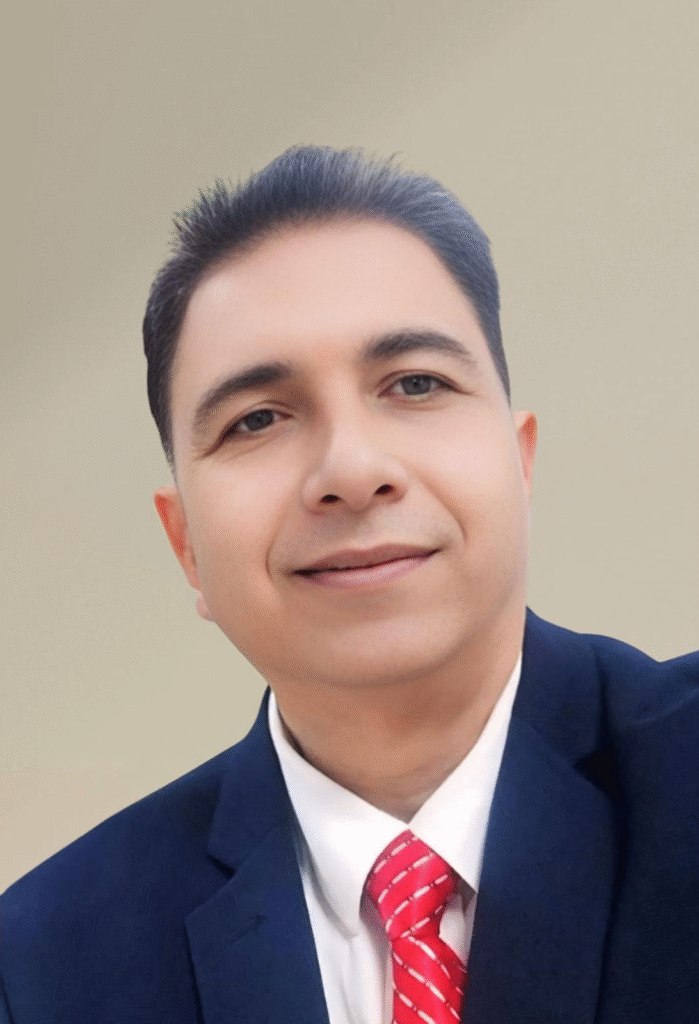
Anupam Sharma
Psychotech Evangelist
Coach I Mentor I Trainer
Councelor I Consultant