
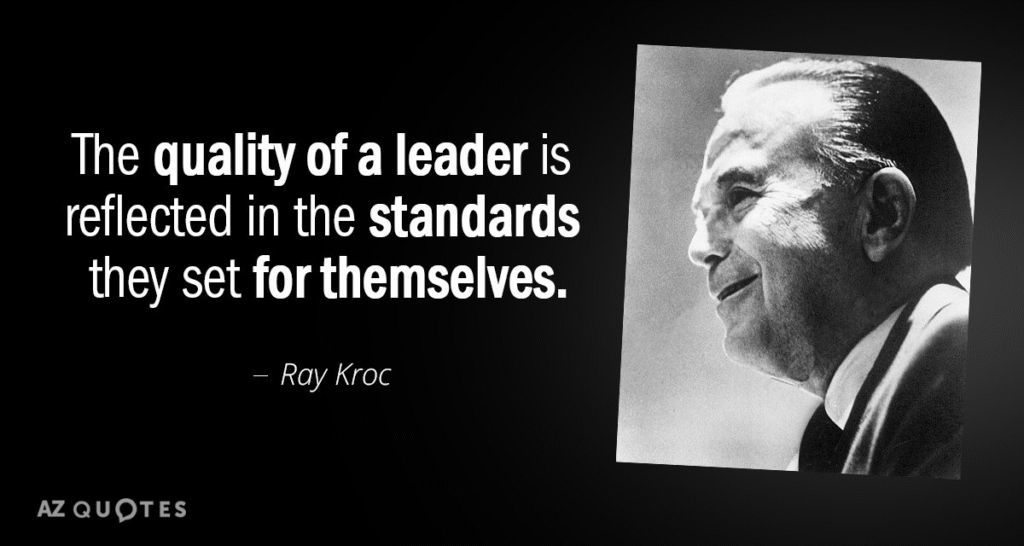
“LEADERS EMBRACE CHALLENGE FOR PEAK POTENTIAL” -Being courageous never give-up
A leader’s greatness is not measured by the convenience of circumstances but by the capacity to convert uncertainty into advantage and adversity into acceleration.
Challenges are not obstacles—they are tests of intelligence, emotional maturity, strategic clarity, and execution discipline.
Those who avoid challenges stagnate.
Those who face challenges improve.
Those who strategize challenge become unstoppable.
I. Strategy as the Engine of Challenge Empowerment
Leaders who thrive under challenge do not react—they strategize. Strategy transforms:
| Level | Without Strategy | With Strategy |
|---|---|---|
| Mindset | Fear, ambiguity, doubt | Clarity, direction, execution |
| Action | Random, reactive | Aligned, intentional, outcome-driven |
| Decision | Emotional | Logical + insightful |
| Results | Inconsistent | Repeatable, scalable, compounding |
Strategy empowers leaders to:
- Understand the nature of the challenge
- Identify leverage points
- Convert risk into opportunity
- Design actions aligned with capability and outcomes
Strategy is the bridge between vision and results, especially under pressure.
2. Strategy vs. Planning (Outcome Perspective)
| Dimension | Strategy | Planning |
|---|---|---|
| Purpose | Win the war | Execute the battle |
| Focus | Direction, positioning, competitive advantage | Tasks, sequencing, timelines |
| Outcome | Transformation, breakthrough | Completion, stability |
| Approach | Adaptive, dynamic | Structured, linear |
| Time Horizon | Long-term + flexible | Short-term + fixed |
| Mindset | “What must win?” | “What must be done?” |
Planning fails if the strategy is wrong.
But even imperfect plans succeed under the right strategy.
3. The 7 Foundational Strategic Questions
| Question | Intent |
|---|---|
| WHY strategy? | Define purpose & problem narrative |
| WHAT is the challenge? | Clarify actual vs perceived issue |
| WHEN must action occur? | Define urgency or timing advantage |
| WHERE does change apply? | Context: market, team, positioning |
| WHO influences & executes it? | Stakeholders, execution owners |
| WHICH resources, methods, or technology are needed? | Capabilities & constraints |
| HOW will we win? | Blueprint → execution → feedback loop |
4. Blueprint of Feasible Strategic Models
1. When Facing Competitors
Use: SWOT + Porter’s 5 Forces + Competitive Advantage Matrix
- Identify differentiators (price, quality, speed, innovation).
- Build a Value Moat (Brand, IP, Technology, Customer Experience).
2. When Scaling Business Growth
Use: McKinsey 7S + Growth Flywheel
Key strategy pillars:
- People & Culture
- Systems & Process
- Product Innovation
- Customer Retention
- Market Expansion
3. When Navigating Uncertainty
Use: Scenario Planning + Risk Matrix + OODA Loop (Observe–Orient–Decide–Act)
The goal is to:
- Anticipate future patterns
- Prepare rapid-response pathways
- Act with agility and informed intuition
4. When Innovating
Use: Blue Ocean Strategy + Design Thinking
Shift from:
- Competing → Creating
- Cost reduction → Value innovation
- Market share → Market creation
5. When Leading People
Use: Leadership Competency Framework / Emotional Intelligence Model
Focus areas:
- Communication intelligence
- Conflict navigation
- Coaching talent
- Vision alignment
5. Designing Strategy with Respect to Competitors
To strategize against competition:
| Step | Leader Focus |
|---|---|
| Diagnose | Study competitor strengths, narratives, blind spots |
| Position | Identify unmet opportunity or emotional need |
| Design | Craft a superior offer or experience |
| Execute | Move faster, smarter, deeper |
| Adapt | Monitor and evolve continuously |
Use: Strategy Canvas, Competitor Benchmark, and Market Position Map
6. Toolkits & Frameworks Used by CEOs & Consultants
| Tool/Framework | Purpose |
|---|---|
| BCG Matrix | Prioritize high-value initiatives |
| OKR + KPIs | Track performance and accountability |
| Agile + Lean + Kaizen | Rapid execution and iteration |
| Systems Thinking | Understand interdependencies |
| Balanced Scorecard | Holistic organizational alignment |
7. Mindset of Challenge-Embracing Leaders
Such leaders demonstrate:
- Antifragility (getting stronger under stress)
- Cognitive intelligence
- Emotional stability
- Learning adaptability
- Forward-thinking optimism
They do not ask:
“Why is this happening to me?”
They ask:
“What must I learn from this and how do I turn it into advantage?”
8. Leadership Competencies Developed Through Challenges
Leaders develop mastery in:
- Strategic foresight
- Decision architecture
- Crisis leadership
- Influence and negotiation
- Pattern recognition
- Execution excellence
Challenges refine leaders into architects of transformation.
9. How Leaders Turn Challenges into Opportunities
They practice:
- Silence → Reflection → Interpretation → Strategy → Action
- Pause but never stop
- Respond, don’t react
- Elevate the game, not the emotion
They don’t avoid uncertainty—they design the future.
Conclusion
A leader’s peak potential is unlocked not by comfort, but by intelligent confrontation of adversity. Strategy isn’t just a corporate function—it is a psychological, intellectual, operational, and visionary discipline.
When leaders combine:
- Strategic thinking
- Adaptive planning
- Massive focused action
They stop surviving challenges—
They command them.

Anupam Sharma
Psychotech Evangelist
Coach I Mentor I Trainer
Councelor I Consultant