
LEADERS Believe “LIFE is a LEARNING PROCESS” – A 360° Strategic Exploration
Introduction
The statement “Leaders believe LIFE is a learning process” reflects one of the most profound truths of leadership and human development. Leadership is not a static position but a dynamic journey of evolution—where continuous learning, unlearning, and relearning shape the ability to inspire, influence, and impact. In a world defined by disruption, complexity, and volatility, learning becomes not just an individual pursuit but a strategic survival tool.
Great leaders—from Mahatma Gandhi to Steve Jobs, from Ratan Tata to Satya Nadella—embody this principle. They are learners first, leaders second. In modern corporate ecosystems, especially within the Big Four (Deloitte, PwC, EY, KPMG), lifelong learning is embedded as a corporate DNA that sustains innovation, resilience, and global competitiveness.
To understand this philosophy deeply, let us analyze it through multiple strategic lenses.
1. 5W1H Framework Analysis
- What?
Leaders consider life as a continuous learning process, where every experience—success, failure, challenge, or disruption—offers lessons that fuel growth and wisdom. - Why?
Because knowledge depreciates quickly in the digital age. According to the World Economic Forum, nearly 50% of skills will become obsolete by 2030. Leaders who stop learning risk irrelevance. - Who?
All leaders—entrepreneurs, corporate executives, policymakers, spiritual mentors—must adopt this mindset. In organizations, it is CEOs and managers who set the cultural tone for learning. - When?
Lifelong—throughout careers and personal lives. Continuous learning must adapt to phases of leadership maturity: - Early: Building foundational skills.
- Mid-career: Expanding vision, adaptability, and resilience.
- Senior: Mentoring, thought leadership, legacy-building.
- Where?
Learning happens everywhere: boardrooms, classrooms, digital platforms, failures, books, communities, mentors, and crises. - How?
By applying structured methods—reflection, coaching, training programs, knowledge networks, feedback loops, and organizational learning models.
2. SWOT Analysis of Lifelong Learning for Leaders
Strengths
- Builds resilience, adaptability, and innovation.
- Enhances credibility and influence.
- Creates visionary foresight for change management.
Weaknesses
- Overload of information may lead to burnout.
- Learning without application risks superficiality.
- Ego and success sometimes hinder humility to learn.
Opportunities
- Upskilling in AI, data analytics, ESG, and leadership science.
- Building global leadership brands.
- Creating mentorship legacies.
Threats
- Fast-paced disruption leaves late learners behind.
- Organizational rigidity discourages experimentation.
- Misinformation in digital age confuses knowledge seekers.
3. PPF Analysis (Past, Present, Future)
- Past: Leaders learned primarily through experience, apprenticeship, and wisdom traditions. For example, Chanakya’s Arthashastra was both a manual and a lifelong learning framework for kings.
- Present: Leaders combine traditional wisdom with digital learning platforms—MOOCs, AI-driven analytics, leadership bootcamps. Big Four firms allocate millions annually for employee upskilling.
- Future: Learning will be hyper-personalized, AI-augmented, and continuous, with real-time micro-learning, neural interfaces, and leadership simulations. Leaders of tomorrow will need to master cross-disciplinary fluency (e.g., psychology + technology + sustainability).
4. PDCA Cycle Applied to Learning
- Plan: Leaders define learning goals (strategic thinking, digital fluency, emotional intelligence).
- Do: They engage in executive programs, coaching, simulations, stretch assignments.
- Check: Measure progress through 360° feedback, KPIs, leadership assessments.
- Act: Refine learning strategies, embed lessons into decisions, mentor teams.
This cycle sustains continuous improvement and prevents stagnation.
5. Cause & Effect (Fishbone) Analysis of Leadership Learning
Causes of Lifelong Learning Mindset
- Curiosity & humility.
- Exposure to challenges & failures.
- Corporate culture of development.
- Strategic foresight needs.
Effects
- Greater innovation & problem-solving.
- Organizational transformation.
- Sustainable impact & legacy.
- Stronger adaptability to crises (COVID-19 was a prime test).
6. RCA (Root Cause Analysis): Why Some Leaders Stop Learning
- Root Causes:
- Ego and overconfidence.
- Comfort zone of past success.
- Lack of structured feedback mechanisms.
- Organizational silos discouraging experimentation.
- Counter-strategy:
- Build growth mindset culture (Carol Dweck’s framework).
- Regular coaching and external mentorship.
- Corporate learning KPIs tied to promotions.
7. Corporate Practices: Big Four as Case Study
The Big Four firms (Deloitte, PwC, EY, KPMG) represent global learning ecosystems. They demonstrate how leaders and organizations embed “Life as a Learning Process” into execution:
- Deloitte: Invests \$1.4 billion annually in leadership development. Operates Deloitte University with programs in 50+ countries.
- PwC: Runs a “New World, New Skills” initiative—equipping 275,000 employees with future skills like AI, ESG, and data literacy.
- EY: Focuses on “EY Badges”, a gamified digital learning credential system. Over 200,000 badges earned by employees in emerging skills.
- KPMG: Operates a Learning Academy and collaborates with universities to ensure continuous executive upskilling.
These practices prove that lifelong learning is not optional but central to global corporate survival. Leaders who set this tone inspire employees to embrace learning as a daily discipline.
8. Strategic Methodology for Leaders to Sustain Lifelong Learning
- Adopt Growth Mindset: Stay humble, curious, and willing to unlearn.
- Design Learning Ecosystem: Blend books, courses, coaching, networking, reflective journaling.
- Leverage Technology: AI-driven learning dashboards, simulations, VR role-plays.
- Mentorship Loops: Teach while learning—mentorship accelerates retention.
- Institutionalize Learning: Make organizational learning a measurable KPI.
- Balance Theory & Practice: Convert lessons into frameworks, decisions, and innovation.
- Resilience & Adaptability: Use setbacks as the greatest classrooms.
9. The Need of the Hour – Data & Trends
- World Economic Forum (2023): 44% of workers’ core skills will change by 2030.
- LinkedIn Learning Report (2024): 89% of executives say continuous learning is critical for business strategy.
- McKinsey Global Institute: By 2030, 375 million workers may need to switch roles due to automation.
- Corporate Benchmark: Firms investing in learning & development outperform peers by 24% higher profit margins (Bersin Research).
Thus, learning is not just personal growth, but also strategic necessity for global competitiveness.
Conclusion
To say “Leaders believe LIFE is a LEARNING PROCESS” is not a poetic abstraction but a strategic truth. Frameworks like 5W1H, SWOT, PPF, PDCA, RCA, and Cause & Effect demonstrate that learning is the engine of resilience, resourcefulness, and reinvention. Leaders who embed lifelong learning create organizations that thrive in disruption, inspire people with purpose, and leave enduring legacies.
The Big Four exemplify how structured learning ecosystems can transform corporate cultures, ensuring relevance in the face of global shifts. For 21st-century leaders, the mantra is clear:
Learn. Apply. Adapt. Lead. Repeat.
Because leadership without learning is leadership without growth. And growth without learning is merely existence, not excellence.
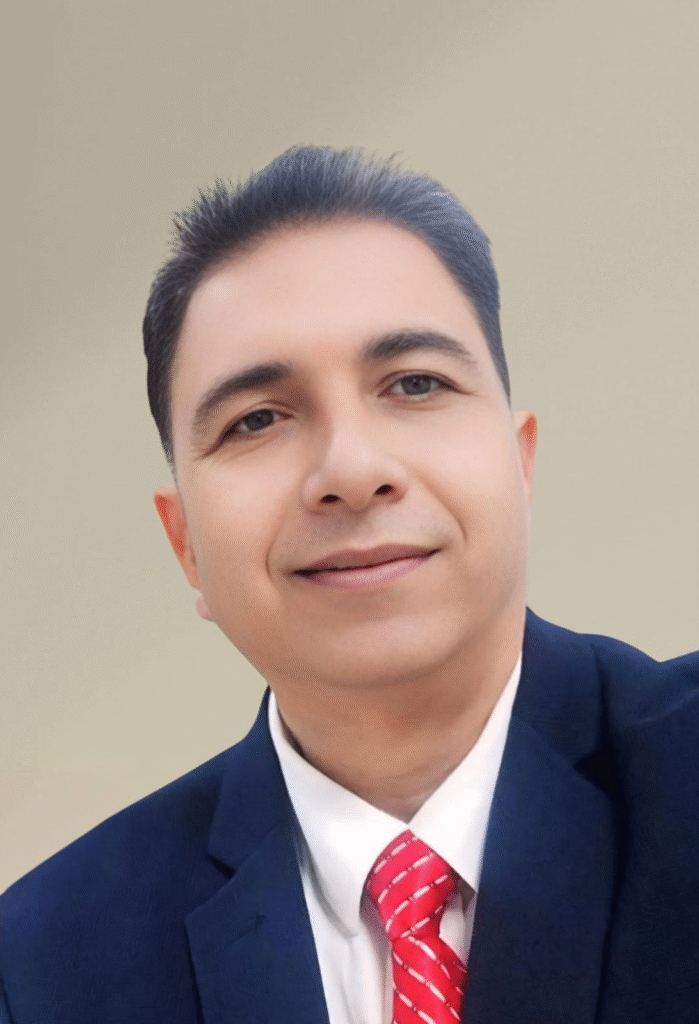
Anupam Sharma
Psychotech Evangelist
Coach I Mentor I Trainer
Councelor I Consultant