
HABIT of POSITIVE, CREATIVE & CONSTRUCTIVE THINKING DESIGNS THE REALITY–A LANGUAGE
The Invisible Leadership Architecture That Shapes Outcomes, Culture & Destiny
“Reality is not discovered; it is designed—first in thought, then in belief, emotion, action, and finally in results.”
In leadership, strategy, and human transformation, one invisible force silently governs everything—the habitual quality of thinking.
Not intelligence. Not resources. Not even experience.
But how a leader habitually thinks—positively, creatively, and constructively—under pressure, uncertainty, and complexity.
This is not motivational poetry.
This is neuroscience, psychology, ancient wisdom, and execution science converging into one universal law:
Your habitual thinking becomes your lived reality.
Great leaders do not merely respond to reality.
They design reality in advance—through disciplined inner architecture.
This blog decodes how and why the habit of Positive, Creative & Constructive (PCC) thinking becomes the strategic backbone of leadership excellence, organizational culture, and life mastery.
1. Why This Statement Is a Universal Truth (Across Time, Science & Strategy)
Across civilizations and disciplines, the same truth appears in different languages:
- Bhagavad Gita: “Man is made by his belief. As he believes, so he becomes.”
- Upanishads: “Yad bhāvam tad bhavati” — As is the inner state, so is the outer manifestation
- Modern Neuroscience: Neural pathways strengthen through repeated thought patterns
- Psychology: Cognitive habits shape perception, emotion, and decision-making
- Strategy & Execution: Mindset precedes method; thinking precedes systems
Reality is downstream of thinking.
But not occasional thinking—habitual thinking.
What a leader thinks once creates an idea.
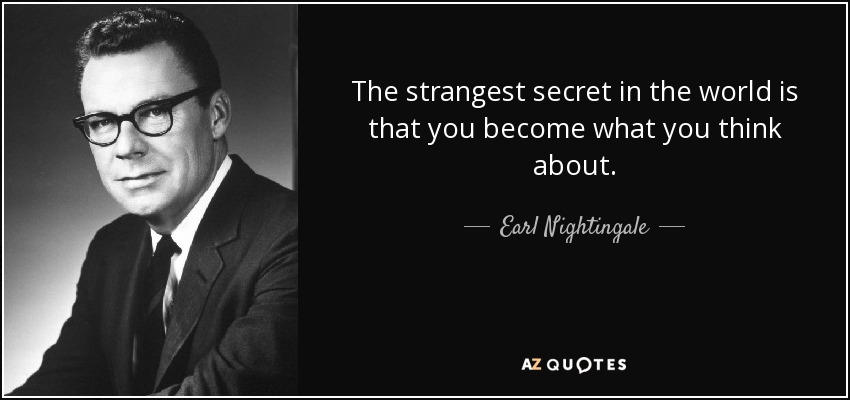
What a leader thinks daily creates destiny.
2. The Invisible → Visible Chain: How Thinking Designs Reality
Every outcome—personal, professional, organizational—follows this immutable causal chain:
Thought → Belief → Emotion → Decision → Action → Habit → Culture → Reality
Most leaders try to fix:
- Results
- KPIs
- People
- Systems
Without addressing the thinking habit at the source.
That is why:
- Strategies fail despite brilliance
- Talent underperforms despite capability
- Resources remain unused despite availability
Because the thinking architecture is misaligned.
3. Decoding the Trinity: Positive, Creative & Constructive Thinking
These are three distinct yet interdependent leadership faculties.
A. POSITIVE Thinking – Energy Architecture
Positive thinking is not blind optimism.
It is energy governance.
Positive Thinking Enables:
- Emotional regulation under stress
- Hope-driven endurance
- Psychological safety for teams
- Persistence during uncertainty
Neuroscience Insight:
- Positive framing activates the prefrontal cortex
- Reduces amygdala hijack (fear-based reactions)
Leadership Translation:
Positive thinking sustains momentum when logic alone cannot.
Without positivity:
- Vision collapses under pressure
- Teams disengage
- Leaders burn out
B. CREATIVE Thinking – Possibility Architecture
Creative thinking is the ability to see what does not yet exist.
It answers:
- What else is possible?
- What if assumptions are wrong?
- How can this be done differently?
Creative thinking breaks:
- Mental rigidity
- Legacy assumptions
- Linear problem-solving
Strategic Insight:
Every breakthrough in leadership is first a violation of old thinking.
Great leaders:
- Reframe problems as opportunities
- Convert constraints into catalysts
- Design new pathways where none appear
C. CONSTRUCTIVE Thinking – Execution Architecture
Constructive thinking is thinking that builds, not just imagines.
It asks:
- How do we move forward?
- What is within control now?
- What is the next best step?
Constructive thinking transforms:
- Chaos → Clarity
- Conflict → Alignment
- Vision → Execution
Without constructive thinking, positivity becomes fantasy and creativity becomes chaos.
4. Leadership Reality: Why PCC Thinking Is a Strategic Necessity
In today’s world:
- Volatility is constant
- Certainty is rare
- Complexity is unavoidable
Leadership is no longer about:
- Having all answers
- Controlling outcomes
It is about:
Maintaining quality of thinking under pressure
PCC Thinking becomes the leader’s operating system.
| Situation | Negative Thinking | PCC Thinking |
|---|---|---|
| Crisis | Panic & blame | Calm reframing & solution |
| Failure | Self-doubt | Learning & redesign |
| Conflict | Ego defense | Constructive dialogue |
| Change | Resistance | Creative adaptation |
5. Making the Invisible Visible: PCC Thinking as Leadership Infrastructure
Think of PCC Thinking as mental infrastructure, just like:
- Strategy frameworks
- SOPs
- Technology systems
But more foundational.
Invisible Assets Created by PCC Thinking
- Decision clarity
- Emotional resilience
- Trust-based culture
- Execution velocity
- Innovation mindset
Organizations do not fail due to lack of strategy.
They fail due to poor thinking habits at the top.
6. PCC Thinking Through the 5W–1H Leadership Lens
WHY
To design reality instead of reacting to it.
WHAT
A disciplined habit of:
- Positive framing
- Creative exploration
- Constructive execution
WHO
- Leaders
- Founders
- Change-makers
- Coaches
- Parents
- Nation-builders
WHEN
- Especially under pressure
- During uncertainty
- At decision crossroads
WHERE
- Self-leadership
- People management
- Strategy design
- Culture building
- Crisis handling
HOW
Through daily practice, systems, and self-observation
7. Challenges in Mastering PCC Thinking
This habit is powerful—but not easy.
Common Obstacles
- Conditioning from fear-based environments
- Survival-mode thinking
- Ego-driven reactions
- Emotional triggers
- Negative social programming
Reality Check:
PCC Thinking is not natural—it is trained.
That is why leadership development without mindset mastery remains incomplete.
8. Strategic Tools to Build PCC Thinking as a Habit
Tool 1: Thought Awareness Audit
Daily ask:
- What was my dominant thinking today?
- Did it empower or drain?
- Was it reactive or constructive?
Tool 2: Reframing Discipline
Convert:
- Problem → Challenge
- Failure → Feedback
- Pressure → Preparation
Tool 3: Constructive Question Framework
Replace:
- “Why is this happening?”
With: - “What can be done now?”
Tool 4: Neuroplasticity Repetition
- Repeated thinking becomes automatic
- Automatic thinking becomes character
Tool 5: Sankalpa (Intentional Thought Seeding)
Ancient wisdom meets neuroscience:
Set conscious intentions before action.
9. PCC Thinking as a Leadership Action Plan
Daily
- Morning: Intention setting
- Evening: Reflection & recalibration
Weekly
- Strategy review through creative lens
- Team conversations focused on solutions
Monthly
- Belief audits
- Pattern correction
- Capability expansion
10. Final Leadership Truth: Reality Is an Inside Job
Leadership is not about:
- Position
- Power
- Authority
It is about inner mastery.
The habit of Positive, Creative & Constructive thinking is the silent architect of destiny.
Leaders who master this:
- Attract opportunities
- Build resilient teams
- Create lasting impact
- Leave legacy, not just results
Those who ignore it:
- Fight fires endlessly
- Blame circumstances
- Exhaust themselves and others
Closing Reflection
Change your thinking once—nothing happens.
Change your thinking habit—everything changes.
Reality does not resist leadership.
It obeys the quality of thought behind action.
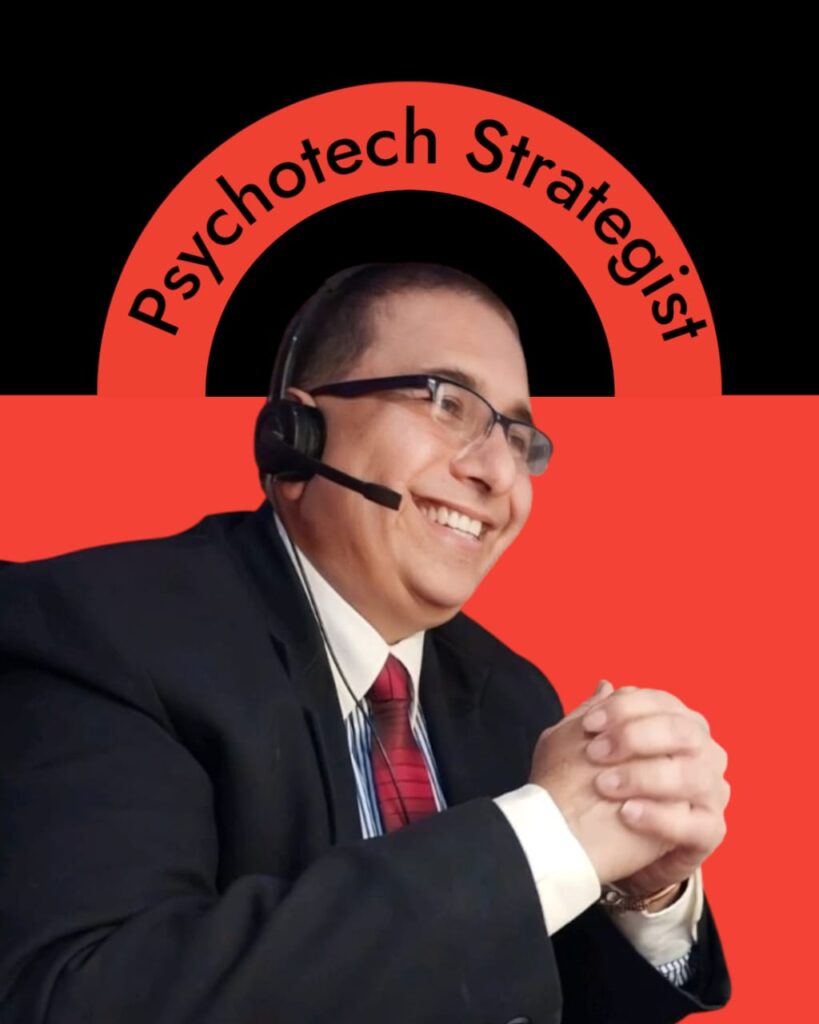
ANUPAM SHARMA
PSYCHOTECH STRATEGIST
COACH I MENTOR I TRAINER
COUNCELLOR I CONSULTANT