

The Greatest Art & Science of Communication:
“Active Listening by the Five Senses — The Oxygen of Communication Strategy”
“Most communication fails not because people don’t speak well, but because leaders don’t listen deeply enough.”
In the modern corporate world—driven by speed, KPIs, dashboards, and instant reactions—listening has become a lost leadership discipline. Everyone wants to respond, react, prove, and win. Very few want to understand.
Yet, the greatest art and science of communication is not persuasive speaking, storytelling, or presentation mastery alone.
It is ACTIVE LISTENING—engaged through all five senses.
Active listening is not a soft skill.
It is strategic oxygen.
Without oxygen, the body collapses.
Without active listening, communication strategy suffocates.
Why Active Listening Is the Crux of All Powerful Communication Strategies
Every strategy—business, leadership, negotiation, transformation, or culture—begins with accurate understanding.
And understanding does not come from talking.
It comes from listening with:
- Eyes
- Ears
- Body
- Intuition
- Emotional intelligence
A strategic leader knows one fundamental truth:
“What you fail to listen to today becomes the crisis you must manage tomorrow.”
Communication Strategy Fails When:
- Leaders listen to reply, not to comprehend
- Managers hear words but ignore emotions
- Teams collect data but miss meaning
- Organizations track metrics but ignore human signals
Active listening is the root system of:
- Trust
- Alignment
- Engagement
- Empowerment
- Execution excellence
Understanding the Concept: Active Listening by the Five Senses
Traditional listening is auditory.
Strategic listening is multi-sensory.
1. Listening Through the EARS – Words, Tone, Silence
This is the most basic level.
A strategic listener hears:
- What is said
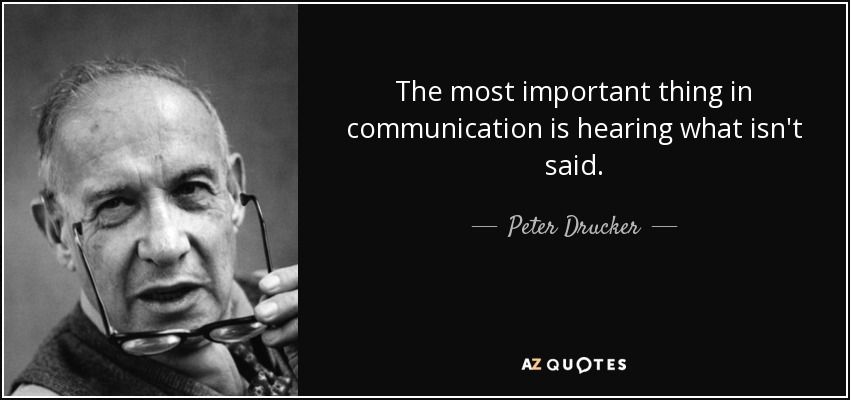
- What is not said
- Changes in tone, pace, and intensity
- Hesitations, pauses, and emotional inflections
Corporate Example:
A CEO hears a project update where the words say “on track,” but the tone signals anxiety. A reactive leader ignores it. A strategic listener probes deeper—preventing failure before it surfaces.
2. Listening Through the EYES – Body Language & Micro-Expressions
Over 55% of communication is non-verbal.
Eyes reveal:
- Confidence or insecurity
- Agreement or resistance
- Engagement or disengagement
- Fear, frustration, or suppressed anger
Corporate Example:
During a strategy meeting, a senior manager repeatedly avoids eye contact and folds arms when a new change initiative is discussed.
A leader who sees listens better than one who only hears.
3. Listening Through the BODY – Energy, Presence & Posture
The human body communicates before the mouth speaks.
Strategic leaders sense:
- Restlessness
- Defensive posture
- Fatigue
- Stress signals
- Alignment or misalignment
This is somatic listening—often ignored but extremely powerful.
Corporate Example:
In high-performing organizations, leaders sense burnout before attrition happens—not through surveys, but through presence-based listening.
4. Listening Through the MIND – Context, Patterns & Systems
This is the scientific dimension of listening.
A strategic listener connects:
- Past behavior patterns
- Organizational history
- Cultural context
- Systems impact
- Cause–effect chains
Using models like:
- SWOT
- 80/20 Principle
- PDCA
- Need Analysis
- Competence Mapping
Listening becomes analytical intelligence.
Example:
A leader listens to repeated complaints across departments and identifies a systemic bottleneck, not individual incompetence.
5. Listening Through the HEART – Emotions, Intent & Meaning
This is where leadership becomes transformational.
Listening through the heart means:
- Suspending ego
- Withholding judgment
- Feeling what the other person feels
- Creating psychological safety
This is empathic intelligence—the core of people empowerment.
Corporate Example:
Satya Nadella’s transformation of Microsoft was driven by a shift from know-it-all culture to learn-it-all culture—powered by deep listening and empathy.
Why Active Listening Is the Oxygen of Communication Strategy
Oxygen enables:
- Circulation
- Energy
- Sustainability
- Life
Active listening enables:
- Strategic clarity
- Emotional trust
- Intelligent decisions
- Sustainable execution
Without active listening:
- Vision becomes disconnected
- Strategy becomes theoretical
- Execution becomes mechanical
- People become disengaged
Talking is input. Listening is intelligence.
The Psychology of Listening Without Understanding & Impatient Reaction
One of the biggest leadership risks today is pseudo-listening—appearing to listen while mentally preparing a response.
Psychological Reasons Behind Poor Listening
1. Ego Dominance
“I already know.”
“This is obvious.”
“Let me show my intelligence.”
Ego shuts down learning.
2. Cognitive Bias
- Confirmation bias
- Authority bias
- Experience bias
Leaders listen only to what supports their existing beliefs.
3. Emotional Reactivity
When emotions hijack the brain, listening collapses.
The amygdala triggers:
- Defensiveness
- Interruptions
- Premature judgments
4. Speed Addiction
Modern leaders are addicted to:
- Quick replies
- Instant decisions
- Rapid reactions
But speed without understanding creates expensive mistakes.
Active Listening as a Leadership Trait @360°
A strategic leader demonstrates active listening across all dimensions:
Self-Leadership
- Listening to inner signals
- Reflective awareness
- Emotional regulation
People Leadership
- One-on-one conversations
- Coaching dialogues
- Conflict resolution
Team Leadership
- Collective intelligence
- Psychological safety
- High-performance culture
Strategic Leadership
- Market sensing
- Stakeholder alignment
- Adaptive strategy
Ethical & Purpose Leadership
- Values alignment
- Long-term thinking
- Human-centric decisions
Active Listening & People Empowerment
People feel empowered when:
- They are heard
- Their emotions are acknowledged
- Their ideas are valued
- Their concerns are understood
Active listening converts:
- Employees → Contributors
- Managers → Leaders
- Teams → Communities
- Organizations → Movements
Empowerment Formula
Listening → Trust → Ownership → Performance
Framework Integration: Listening as a Strategic Tool
SWOT
Listening uncovers real strengths & weaknesses, not assumed ones.
80/20
Listening identifies the vital few issues creating most challenges.
PDCA
Listening improves:
- Plan (real inputs)
- Do (clear alignment)
- Check (honest feedback)
- Act (adaptive learning)
Need Analysis
True needs surface only when people feel deeply listened to.
Competence Development
Listening reveals:
- Skill gaps
- Motivation gaps
- Mindset barriers
Corporate Case Insight
Case: Failed Digital Transformation
Many digital transformations fail not due to technology—but due to listening failure.
Leaders:
- Listen to consultants
- Ignore frontline employees
- Overlook cultural resistance
Successful organizations listen downward, not just upward.
The Strategic Payoff of Five-Sense Listening
Organizations that institutionalize active listening experience:
- Higher engagement
- Faster problem resolution
- Stronger leadership pipelines
- Reduced conflicts
- Better customer insights
- Sustainable growth
Final Reflection: Listening as Leadership Legacy
Great leaders are remembered not for how powerfully they spoke, but for how deeply they listened.
Active listening by the five senses is not a technique—it is a leadership consciousness.
It transforms:
- Communication into connection
- Strategy into shared meaning
- Leadership into service
- Organizations into living systems
In a noisy world, the most strategic advantage is the leader who listens—fully, deeply, and humanly.

Anupam Sharma
Psychotech Strategist
Coach I Mentor I Trainer
Councellor I Consultant