

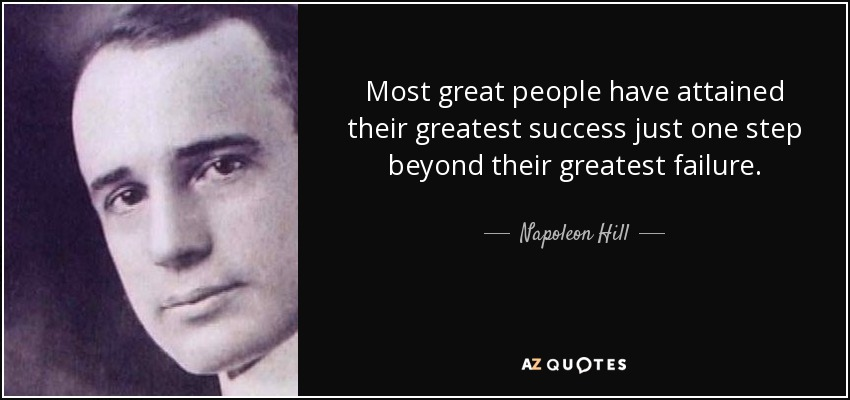
“Leaders Practice a Never-Give-Up Attitude”-Vehicle to WIN…
Why Persistence Is the Ultimate Strategic Weapon in Leadership**
In the volatile, uncertain, complex, and ambiguous world of modern leadership, one trait consistently separates average performers from transformational leaders: the never-give-up attitude.
This is not a motivational cliché. It is not blind optimism. And it is certainly not emotional stubbornness.
For great leaders, persistence is a non-negotiable operating principle, a strategic capability, and a psychological technology that determines whether purpose is achieved or abandoned midway. History, business, and human progress repeatedly confirm one truth: leaders do not fail because they lack talent, intelligence, or resources; they fail because they disengage too early.
This article explores—through a 360-degree Psychotech Strategist lens—why the never-give-up attitude is one of the strongest personality traits of great leaders, how it works as a strategic catalyst, and how CEOs and corporate leaders can systematically sustain it as a daily practice that multiplies team productivity and long-term impact.
Leadership Reality: Why Giving Up Is the Silent Killer
Leadership is not tested during stability. It is tested during uncertainty, resistance, rejection, and repeated setbacks. The moment pressure rises, many leaders unconsciously shift from purpose-driven execution to comfort-driven decisions.
Giving up rarely appears dramatic. It often shows up as:
- Lowered ambition
- Diluted vision
- Reduced execution intensity
- Premature strategic pivots
- Emotional withdrawal disguised as “practical realism”
Great leaders recognize this danger early. That is why never giving up becomes a mindset they refuse to negotiate.
They understand one fundamental truth:
The environment does not defeat leaders. Fatigue does.
Why the Never-Give-Up Attitude Is a Non-Negotiable Mindset
For exceptional leaders, persistence is not optional because purpose is not optional.
1. Purpose Demands Continuity
Purpose is bigger than short-term discomfort. Leaders see themselves as custodians of a mission, not temporary operators of a role. Quitting is perceived not as relief, but as abdication of responsibility—to the organization, the team, and the future.
2. Identity Is Anchored, Not Situational
Average leaders ask, “Is this worth it anymore?”
Great leaders ask, “What must I become to handle this phase?”
Their identity is not shaped by outcomes; it is shaped by commitment to values and long-term intent.
3. Leadership Is a Long-Term Game
Markets, organizations, and transformations do not reward short-term thinking. Persistence is the entry fee for playing long-duration strategic games where the biggest rewards are reserved for those who stay long enough to deserve them.
Why Persistence Always Works to Attain Purpose
Persistence works not because it is heroic, but because it activates four unstoppable strategic forces.
1. The Compounding Effect
Small, consistent actions compound over time. Quitting resets compounding to zero. Leaders who persist allow learning, execution, credibility, and momentum to accumulate quietly until results become inevitable.
2. Learning Velocity Advantage
Each failure delivers data. Persistent leaders turn setbacks into strategic intelligence, while others turn them into emotional wounds. Over time, this creates a massive learning gap that competitors cannot bridge.
3. Psychological Dominance Over Circumstances
Persistence signals seriousness to the environment—markets, stakeholders, teams, and even competitors. Resistance often intensifies not to stop leaders, but to test commitment.
4. Reality Responds to Consistency
Opportunities, resources, alliances, and breakthroughs often appear after repeated attempts. Reality bends in favor of those who refuse to exit the process prematurely.
Sustaining the Never-Give-Up Attitude as a Corporate Leader
Great leaders do not rely on motivation. They design systems that carry them forward even when motivation disappears.
1. Systemize Persistence
Persistence must be embedded into leadership architecture:
- Strategy: Always maintain alternative plans (Plan B, C, D)
- Execution: Break large goals into short, winnable cycles
- Review: Conduct learning reviews, not just performance reviews
- Energy: Protect sleep, clarity, and cognitive bandwidth
2. Psychological Self-Programming
Leaders must consciously rehearse identity:
- Morning question: “What must continue today regardless of resistance?”
- Evening audit: “What did I sustain today despite discomfort?”
Persistence grows when identity is reinforced daily.
How the Never-Give-Up Attitude Drives Team Productivity
Teams do not follow strategies alone. They follow emotional certainty.
1. Psychological Safety Increases
When leaders persist, teams feel secure. Fear of abandonment reduces, enabling creativity, initiative, and ownership.
2. Behavior Modeling Multiplies Effort
Leader persistence normalizes grit. Excuses lose legitimacy. Effort becomes culturally expected rather than emotionally negotiated.
3. Stability During Chaos
Persistent leaders provide clarity during turbulence. Teams remain focused rather than fragmented, even under pressure.
4. Resilience Becomes Cultural DNA
Over time, resilience shifts from an individual trait to an organizational identity.
Persistence as a Strategic Leadership Catalyst
Every strategic framework requires endurance to work effectively.
- SWOT Analysis: Weaknesses become improvement agendas; threats become innovation triggers.
- 80/20 Principle: Only persistent leaders stay long enough to identify the vital few.
- PDCA Cycle: Learning loops collapse without sustained execution.
- Blue Ocean Strategy: Value innovation demands resilience through rejection and skepticism.
- Root Cause Analysis: Real causes emerge only after surface-level failures are endured.
Strategy without persistence remains theory. Persistence turns frameworks into results.
The Psychotech Strategist Perspective (360-Degree View)
Neuroscience Level
Persistence rewires the brain for delayed gratification. Dopamine shifts from outcomes to effort, strengthening emotional endurance.
Organizational Level
Persistent leadership creates execution gravity. Projects attract support instead of resistance.
Market Level
Markets trust leaders who stay. Consistency builds credibility, loyalty, and brand strength.
Legacy Level
History remembers leaders not for what they started, but for what they refused to quit.
The CEO’s Never-Give-Up Operating Code
Great leaders live by simple, unbreakable rules:
- I never quit purpose—only tactics
- I separate identity from outcomes
- I stay long enough to win
- I treat setbacks as signals, not stop signs
- I make persistence visible to my team
- I design systems that sustain me when motivation fades
Conclusion: Never Give Up Is Leadership Technology
The never-give-up attitude is not emotional stubbornness.
It is a leadership technology that protects strategy, multiplies performance, and sustains purpose through chaos.
Great leaders do not win because they never fail.
They win because they never leave the battlefield.
In an era obsessed with shortcuts, hacks, and instant success, persistence remains the most underappreciated competitive advantage. Those who master it do not merely survive challenges—they outlast, outlearn, and ultimately outperform.

Anupam Sharma
Psychotech Strategist
Coach I Mentor I Trainer
Councelor I Consultant