
Why “LEADERSHIP is TEAM DYNAMICS @ BEST“
1. Why this statement matters
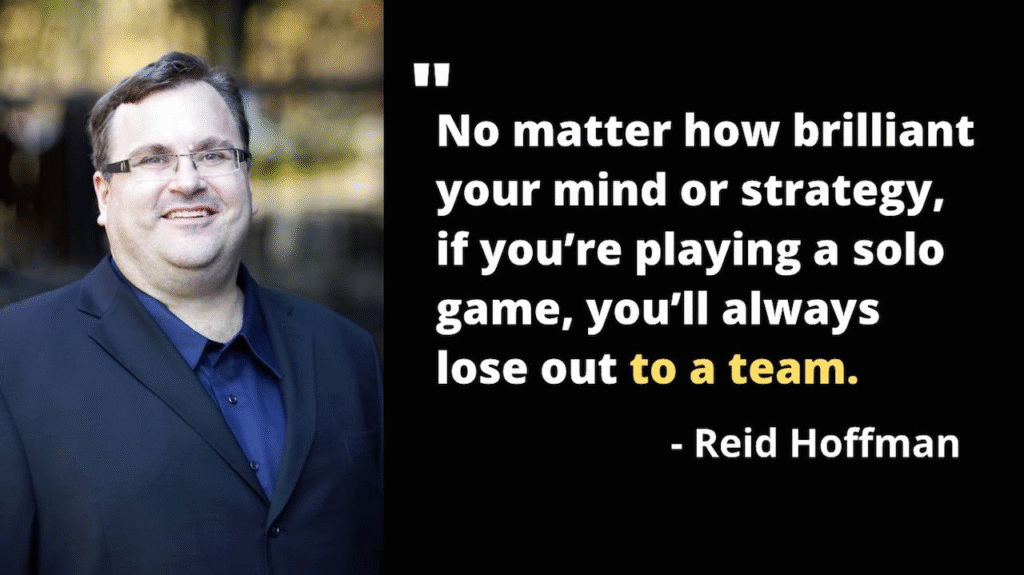
- Leadership is not about solo brilliance; it’s about orchestrating collective intelligence.
- Team Dynamics is the invisible energy field that decides whether people align, conflict, or thrive.
- A leader is at their best when they transform ordinary groups into high-performance teams, capable of executing under pressure, adapting to circumstances, and co-creating outcomes.
👉 Therefore: Leadership = Mastering Team Dynamics @ Best.
2. Explaining Team Leadership
Team leadership is the art & science of guiding individuals to perform as one entity. It involves:
- Setting vision (Why we exist)
- Building alignment (How we move together)
- Driving execution (What actions deliver results)
- Nurturing culture (The invisible glue that sustains dynamics)
3. Fundamentals of Team Dynamics Potential
Team dynamics unleash their potential when leaders focus on:
- Trust – Foundation of collaboration (Lencioni’s 5 Dysfunctions model).
- Role Clarity – Who does what, avoiding overlaps/conflicts.
- Communication Flow – Open, transparent, two-way.
- Conflict Resolution – Healthy debate vs. toxic friction.
- Shared Purpose – Stronger than individual ambition.
- Adaptability – Adjusting dynamics to environment.
- Collective Learning – Teams that learn together, grow together.
4. How Leaders Drive Team Dynamics in Situations, Events & Circumstances
- Crisis (e.g., pandemic, market crash) → Leaders stabilize, instill calm, emphasize resilience. (Framework: Crisis Leadership Matrix)
- Change/Transformation → Leaders reduce resistance, use Kotter’s 8-Step Change Model to keep dynamics aligned.
- Innovation projects → Leaders spark creativity using Design Thinking, encourage divergent & convergent dynamics.
- Routine execution → Leaders sustain rhythm through Kaizen, Six Sigma, and Agile practices.
- Cross-cultural/global teams → Leaders adopt Hofstede’s cultural dimensions & GLOBE model to align diverse team behavior.
5. Key Elements Impacting & Influencing Team Dynamics
- Leader’s Style – Autocratic vs. Democratic vs. Transformational.
- Team Composition – Diversity of skills, personalities, demographics.
- Psychological Safety – Google’s “Project Aristotle” proved this is #1 driver.
- Structures & Processes – Agile sprints, standups, OKRs.
- External Environment – Competition, regulation, customer shifts.
- Technology & Collaboration Tools – MS Teams, Slack, AI assistants.
- Recognition & Motivation – AIDA framework in action.
6. What Teams Must Do to Sustain Team Dynamics Excellence
- Continuous Feedback Loops → 360° feedback, retrospectives.
- Shared Accountability → “We win or lose together.”
- Conflict Management Discipline → Quick resolution protocols.
- Periodic Renewal → Off-sites, retreats, L\&D workshops.
- Role Rotation → Building empathy for cross-functional alignment.
- Cultural Rituals → Celebrations, storytelling, team traditions.
7. Relevant Frameworks, Tools & Techniques
- Frameworks:
- Tuckman’s Team Development (Forming–Storming–Norming–Performing–Adjourning).
- Lencioni’s 5 Dysfunctions of a Team.
- GRPI Model (Goals, Roles, Processes, Interpersonal Relationships).
- Alignment Model (Purpose → People → Process → Performance).
- AIDA & PPF (Past–Present–Future) for motivating team.
- Tools & Techniques:
- Agile ceremonies (scrum, sprint, daily standups).
- RACI matrix for clarity.
- MBTI/DiSC/Big 5 for personality alignment.
- Six Sigma DMAIC for process improvement.
- Balanced Scorecard & OKRs for alignment.
- Action Blueprint (what leaders must do):
- Diagnose → Team health surveys, SWOT of team.
- Design → Roles, rituals, collaboration frameworks.
- Drive → Facilitate execution with agility & feedback.
- Develop → Train, mentor, coach continuously.
- Demonstrate → Lead by example; model team values.
8. How Big Four & Global Consulting Groups Empower Team Dynamics
- Big Four (Deloitte, PwC, EY, KPMG) and top consultancies (McKinsey, BCG, Bain) embed team dynamics as core culture:
- Flat yet empowered structures → Teams run as micro-enterprises.
- Global teaming → Consultants collaborate across geographies/time zones.
- Structured Feedback → Weekly feedback rituals, project post-mortems.
- Case Team Model (MBB) → Every project runs as a mini start-up, with clear dynamics.
- Leadership Development Programs → Heavy investment in coaching & mentoring.
- Collaborative Tools → Slack, MS Teams, AI dashboards.
- Culture of Psychological Safety & Inclusion → “Diversity of thought” is strategic asset.
👉 Their belief: The strength of a consulting firm lies not in individuals, but in how teams collaborate to solve client problems faster, smarter, and better than competitors.
9. Closing Insight
Leadership is team dynamics at best because:
- A leader alone cannot scale impact.
- Teams are the real execution engines.
- Dynamics convert talent → synergy → performance → legacy.
When mastered, team dynamics become:
- The oxygen of execution,
- The spinal cord of culture, and
- The compass of transformation.
Anupam Sharma
Psychotech Evangelist
Coach I Mentor I Trainer
Councelor I Consultant