

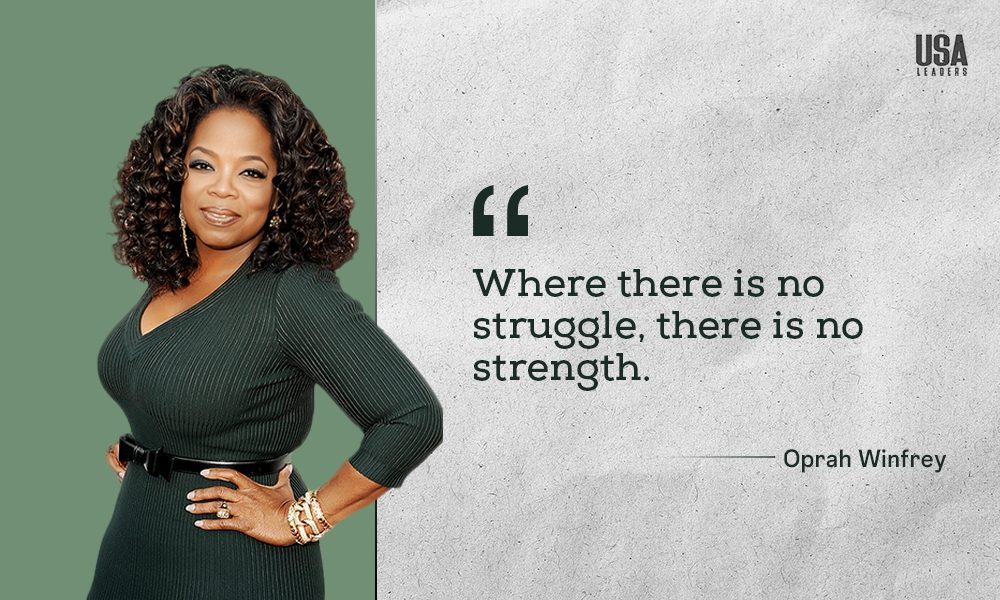
WHY LEADERSHIP is RESILIENCE & HARD WORK
Leadership is never a position. It is never a designation. It is a way of being. At its core, leadership is the living embodiment of resilience and hard work—two timeless forces that separate visionaries from mere managers, creators from consumers, and influencers from followers.
The statement—“LEADERSHIP is RESILIENCE & HARD WORK”—is not just a motivational slogan. It is a strategic law of human progress, a lighthouse that guides us through adversity and keeps us grounded in effort. The question is not whether we should accept it but whether we can afford to ignore it.
Great leaders, past and present, have shown us that resilience and hard work are not optional traits; they are the spinal cord of leadership instinct. Without them, all other leadership skills—communication, imagination, decision-making, empowerment—collapse like a structure without foundation.
Why Should We Follow Proven Leaders?
Human history is full of leaders who rose above the ordinary not because of luck but because of resilient persistence and untiring hard work.
- Abraham Lincoln lost multiple elections, faced failures in business, and suffered personal tragedies, yet his resilience carried him to the U.S. presidency where he abolished slavery.
- Mahatma Gandhi relied on relentless hard work through non-violent movements, walking thousands of miles, and building resilience in people’s hearts to fight against colonial oppression.
- Steve Jobs was ousted from his own company, but resilience brought him back, and hard work helped him reinvent Apple into the world’s most admired brand.
- APJ Abdul Kalam rose from a modest background, working tirelessly as a scientist, and his resilience in overcoming failures made him the “Missile Man” of India and a beloved President.
We follow such leaders because they have walked the path we aspire to tread. Their words are not theories; they are field-tested strategies. Leadership instinct thrives on modeling the proven behaviors of such individuals.
Resilience: The Art & Science of Resourcefulness
Resilience is not just about “bouncing back”; it is about bouncing forward. It is the art of adaptation and the science of resourcefulness.
- Art of Resilience: Leaders craft stories, culture, and narratives around persistence. They make resilience look like a natural rhythm, inspiring others to follow.
- Science of Resilience: Leaders design systems, frameworks, and strategies to create sustainable responses to challenges. Resilience is engineered into their decision-making, resource management, and innovation.
Resilience requires a strategic designing of resourcefulness, which means:
- Reframing problems into opportunities.
- Reallocating resources when faced with scarcity.
- Redesigning processes under pressure.
- Reinventing oneself continuously.
In leadership, resilience means: You don’t quit when tired; you quit when the work is done.
Hard Work: Sustaining Consistency at Pace
Hard work is not about endless hours; it is about focused, purposeful, and strategic effort. A leader’s hard work is magnified because it carries the weight of not just their own goals but also the aspirations of their teams, organizations, or communities.
Consistency is the soul of hard work. Without it, bursts of effort fade into futility. With it, even small efforts compound into massive results.
- 80/20 Rule (Pareto Principle): 20% of consistent hard work produces 80% of outcomes. Leaders know where to put that work.
- PDCA Cycle (Plan-Do-Check-Act): Hard work is not random; it follows a cycle of planning, executing, evaluating, and improving.
- Kaizen Principle: Small, continuous hard work over time leads to extraordinary transformation.
At pace, hard work means: maintaining discipline under fatigue, sustaining energy through vision, and keeping pace with change while others slow down.
Storytelling of Resilience & Never-Give-Up Attitude
Every leadership journey is incomplete without the storytelling of resilience. Stories shape beliefs. Stories fuel emotions. Stories inspire actions.
- The Bamboo Story: In its first five years, bamboo shows no growth above the ground, but its roots strengthen deep. Once ready, it shoots up 90 feet in just a few weeks. Resilience is that invisible preparation. Hard work is the silent root-building.
- The Edison Story: Thomas Edison failed 1,000 times before inventing the light bulb. When asked about failures, he said, “I have not failed. I’ve just found 1,000 ways that won’t work.” Resilience reframes failure into feedback; hard work converts feedback into results.
- The Phoenix Metaphor: Leaders rise from the ashes of setbacks, stronger and wiser. The never-give-up spirit is a phoenix instinct.
These stories prove that resilience and hard work are not abstract virtues but living forces that fuel progress.
Strategic Models to Understand Leadership as Resilience & Hard Work
To expand our understanding, let’s apply some leadership consulting frameworks:
1. SWOT Analysis of Resilience & Hard Work
- Strengths: Builds credibility, endurance, adaptability.
- Weaknesses: Risk of burnout without balance.
- Opportunities: Inspires teams, scales growth, opens innovation.
- Threats: Over-dependence on effort without strategy.
2. PPF Model (Past–Present–Future)
- Past: Leaders learn from past failures (resilience).
- Present: They put hard work in the now with consistency.
- Future: They project resilience to envision sustainable legacies.
3. 80/20 in Leadership Workload
Leaders do not work harder on everything. They focus resilience on 20% critical challenges and direct hard work on 20% high-value activities that yield maximum impact.
4. Need Analysis in Leadership
Resilience fulfills the emotional need of hope.
Hard work fulfills the operational need of execution.
Together, they complete the leadership cycle of vision → action → results.
Personality, Process & Performance of a Resilient & Hard-Working Leader
If you are an empathetic leader practicing resilience and hard work, you design yourself in three dimensions:
- Personality (Who You Are): Grit, patience, adaptability, humility, courage.
- Process (How You Operate): Structured routines, strategic problem-solving, relentless learning, balanced discipline.
- Performance (What You Deliver): Consistent results, crisis management, empowered teams, long-term impact.
This triad ensures that resilience is not just inner strength but outward influence, and hard work is not just sweat but systemic achievement.
Why Leadership Must Be Defined This Way
- Resilience makes leaders relevant in crises. Without it, leadership collapses under pressure.
- Hard work makes leaders authentic. Without it, leadership becomes rhetoric without results.
- Together, they shape trust. Followers believe leaders who stand unshaken in adversity and work relentlessly for collective goals.
Leadership is not talent-dependent. It is effort-driven. In the end, resilience decides how long you last, and hard work decides how far you go.
Conclusion: The Living Philosophy
“Leadership is resilience & hard work” is not a statement to merely accept—it is a law to embody. It teaches us that leadership is neither about shortcuts nor about avoiding storms. It is about facing storms with strategic resourcefulness and working persistently until the vision materializes.
Resilience is the inner backbone. Hard work is the outer muscle. Together, they make leadership a living force capable of inspiring nations, transforming organizations, and empowering humanity.
When leaders practice resilience and hard work, they do not just build success; they build legacies.

Anupam Sharma
Psychotech Evangelist
Coach I Mentor I Trainer
Councelor I Consultant