

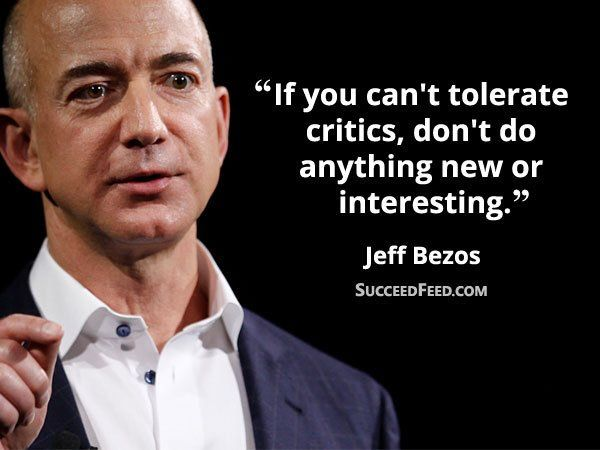
Why “LEADERSHIP is EMBRACING CRITICS…” @ 360° Impact & Influence
Introduction
Leadership is not about commanding admiration—it is about navigating resistance. Every leader, from sages to CEOs, saints to statesmen, has been criticized. The paradox is clear: the higher you rise, the more critics you attract.
But great leaders don’t see criticism as poison—they see it as medicine for clarity, humility, and innovation. To embrace critics is not weakness; it is a superpower of maturity. It transforms opposition into oxygen for growth, filters arrogance into awareness, and refines vision into wisdom.
Thus, Leadership is Embracing Critics.
Why Leaders Must Embrace Critics
- Leadership = Exposure
- Visibility invites scrutiny. The more impactful the decision, the more diverse the reactions.
- Critics highlight what supporters often ignore—blind spots, risks, or ethical concerns.
- Critics as Reality Check
- Praise inflates ego; criticism grounds reality.
- “If it is not true, ignore it. If it is true, improve yourself.” — Marcus Aurelius.
- Catalyst for Growth
- Resistance creates resilience.
- Critics help leaders innovate, refine, and sharpen strategies.
- Trust & Credibility
- Leaders who engage with critics appear authentic, not authoritarian.
- This transparency builds long-term trust with teams, organizations, and society.
The Psychological Perspective
- Ego vs. Wisdom: The ego resists criticism; wisdom welcomes it.
- Reframing Criticism: Shift from attack → to feedback.
- Emotional Resilience: Leaders grow a thick skin without losing sensitivity.
- Perseverance Fuel: Each criticism becomes mental strength training.
A critic is not a destroyer but a mirror—showing you angles you missed.
Ancient Wisdom on Embracing Critics
- Bhagavad Gita (2.47): “You have control over your action, not over its results.”
→ Whether praised or criticized, leaders must remain action-focused. - Chanakya Neeti: “Learn even from an enemy.”
→ Criticism often carries hidden wisdom. - Buddha: “Do not believe in anything simply because you have heard it… but if after observation and analysis you find it conducive to the good… accept it.”
→ Critics provide material for observation and refinement. - Indian Folklore: Saints often thanked their critics more than their admirers, for critics prevented them from falling into pride.
Modern Management & Strategy Insights
- SWOT Analysis
- Critics often expose weaknesses (W) and threats (T).
- Kaizen (Continuous Improvement)
- Toyota embraces frontline criticism to refine processes daily.
- 360° Feedback Models
- Global consulting firms use structured criticism to accelerate leadership growth.
- Innovation Examples
- Steve Jobs: Called obsessive for perfection → built Apple’s design legacy.
- Jeff Bezos: Mocked for Amazon’s thin margins → created trillion-dollar firm.
- Abraham Lincoln: Surrounded himself with rivals, not cheerleaders.
⚖️ The 360° Impact of Embracing Critics
- On Leaders: Builds humility, perspective, resilience.
- On Teams: Encourages openness, eliminates fear, sparks innovation.
- On Organizations: Strengthens governance, improves risk management.
- On Society: Demonstrates accountability, inspires trust in institutions.
- On Legacy: Critics immortalize leaders by making them battle-tested.
👉 Today’s criticism becomes tomorrow’s lighthouse of wisdom.
Frameworks, Tools & Techniques
- Johari Window
- Critics reduce your “blind spots” by revealing truths you don’t see.
- Emotional Intelligence (Daniel Goleman)
- Self-awareness + empathy = processing criticism constructively.
- Growth Mindset (Carol Dweck)
- Criticism = opportunity to grow, not verdict of failure.
- Stoic Triad
- Control what you can, accept what you cannot, discern the difference.
- Critical Friend Model
- Having 2-3 trusted critics as “strategic challengers” for honest perspectives.
Action Plan for Leaders
- Pause & Process – Don’t react defensively; listen with curiosity.
- Filter the Source – Distinguish between constructive and destructive criticism.
- Ask Clarifying Questions – Show openness to learn, not hostility.
- Keep a Feedback Journal – Note recurring criticisms; they reveal patterns.
- Create Advisory Diversity – Include contrarian voices in decision boards.
- Publicly Acknowledge Critics – Build credibility by showing humility.
- Convert Criticism into Strategy – Use it as input for next action plan.
Philosophy of Embracing Critics
- Action, Execution & Decision-Making are interconnected → Critics refine decision quality and sharpen execution pathways.
- Opportunity Mindset: Every criticism is a hidden opportunity in disguise.
- Leadership Legacy: A leader’s greatness is often measured by how they handled critics, not how they handled praise.
Closing Thought
👉 A weak leader avoids critics, fearing exposure.
👉 A defensive leader fights critics, wasting energy.
👉 A great leader embraces critics—turning resistance into resilience, opposition into opportunity, and negativity into next-level growth.
Thus, Leadership is Embracing Critics, for it shapes not only the leader’s present actions but also becomes the lighthouse for tomorrow’s purpose, vision, and accomplishment.

Anupam Sharma
Psychotech Evangelist
Coach I Mentor I Trainer
Counselor I Consultant