
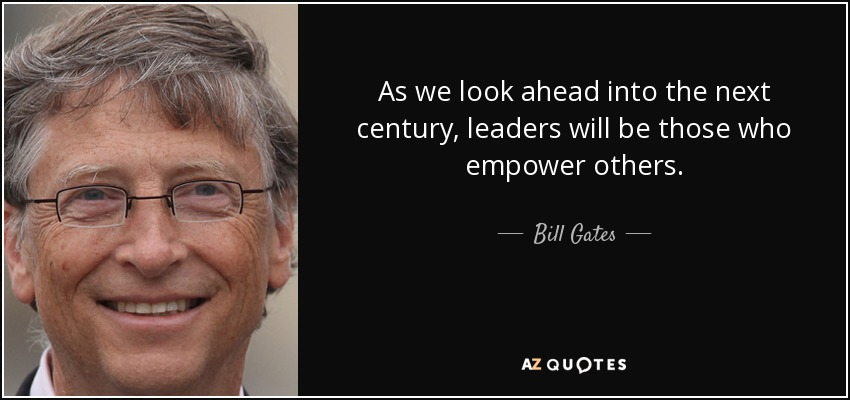
“Leadership is not about being in charge. It is about taking care of those in your charge.” — Simon Sinek
In a world obsessed with visibility, authority, and high performance, the most underestimated superpower of leadership is not dominance, charisma, or knowledge—but the ability to empower others.
Welcome to the new age of dynamic leadership, where empowering potential isn’t a soft skill—it’s the spinal cord of progress, transformation, and virality in business, communities, and culture.
Let’s dive deep into why and how “Leadership is Empowering Potential” is the most contagious leadership truth of our time.
Why Empowerment is the Future of Leadership
The old command-and-control leadership is dead.
What today’s world needs is leaders who awaken greatness in others—who don’t hoard power, but multiply it by investing in people’s ideas, autonomy, and dreams.
Empowering leadership:
- Creates ownership and loyalty
- Fuels innovation from the ground up
- Builds resilient, self-sustaining teams
- Multiplies impact without micromanagement
- Transforms workplaces into growth ecosystems
In short: Empowered people empower performance.
⚙️ Empowering Others: The Spinal Cord of Dynamic Leadership
Think of an organization or team as a living body.
- The brain provides vision.
- The heart offers culture.
- The spinal cord? That’s empowerment—the channel through which every function flows freely.
Without empowerment:
- Vision doesn’t reach action.
- Talent turns to frustration.
- Teams stay dependent and reactive.
When empowerment becomes part of your leadership DNA, you move from managing people to multiplying possibilities.
Viral Truth: Empowerment is a Leadership Force Multiplier
When leaders empower:
- 📈 Performance spikes
- 🧠 Creativity explodes
- 🤝 Trust deepens
- 🔁 Growth becomes exponential
That’s why empowering leadership stories go viral—think Satya Nadella’s transformation at Microsoft, Indra Nooyi’s people-first model at PepsiCo, or A.P.J. Abdul Kalam’s deep investment in students and youth.
Research-Backed Proof
- Google’s Project Aristotle found that psychological safety—created by empowerment—was the #1 predictor of high-performing teams.
- Gallup’s State of the Workplace Report: Empowered employees are 59% less likely to leave, and 70% more productive.
- Harvard Business Review: Companies that build empowerment culture outperform others by 202% in long-term value creation.
How Do Leaders Master the Art & Science of Empowering Others?
Let’s break it down into actionable strategies, tools, and models:
1. The Skill-Will Matrix (Blanchard)
| High Will | Low Will | |
|---|---|---|
| High Skill | Empower | Coach |
| Low Skill | Guide | Direct |
How to use it:
Diagnose team member capability and motivation, then adjust your leadership style—from directing to empowering.
2. OKR Model (Objectives & Key Results)
Empower your team by giving them clear direction (Objectives) but letting them define how to get there (Key Results).
Empowering Tip: Let people co-create OKRs to build ownership.
3. Situational Leadership (Hersey & Blanchard)
Flex your leadership based on:
- Competence of the person
- Commitment of the person
Empowerment requires agility—not all people need the same approach.
4. 🧠 Growth Mindset (Carol Dweck)
Create an environment where:
- Mistakes = data
- Effort = growth
- Potential = expandable
Empowerment Mindset: “You’re not there yet, but you can be.”
5. OODA Loop (Observe – Orient – Decide – Act)
Empowered leaders don’t micromanage—they equip others to run their own loops.
Train your team to:
- Spot issues (Observe)
- Analyze context (Orient)
- Make bold calls (Decide)
- Execute with speed (Act)
6. 5 Levels of Leadership (John C. Maxwell)
Empowerment happens at Level 4:
“People follow you because of what you’ve done for them”
It’s about developing leaders who develop others.
7. Eisenhower Matrix (Urgent vs. Important)
Empowered leaders delegate the urgent, and develop people to take ownership of the important.
Let people grow by giving responsibility, not just tasks.
8. FTLA Model (First Think, Last Act)
Teach people to pause, reflect, and self-solve before reacting.
Empowerment is not handing over answers—it’s enabling decision-making muscles.
9. Radical Candor (Kim Scott)
Empowering doesn’t mean being soft. It means:
- Caring personally
- Challenging directly
- Giving feedback that fuels growth, not fear
10. Coaching Culture + 70-20-10 Model
- 70% learning via real work
- 20% via peer & mentoring
- 10% via formal training
Empowerment thrives in coaching-driven workplaces, not control-driven ones.
Tools to Empower People Today
- Weekly 1:1s – Make time for deep listening and growth questions.
- Feedback Frameworks – Use SBI (Situation-Behavior-Impact) for clarity.
- Job Crafting Canvas – Let team members shape roles around strengths.
- Reverse Mentoring – Let juniors teach seniors and build mutual value.
- Empowerment Scorecards – Track how much autonomy and mastery you’re enabling.
The Mindset Shift of Empowering Leaders
| Old Mindset | Empowering Mindset |
|---|---|
| “I give orders” | “I grow leaders” |
| “I solve problems” | “I enable problem-solvers” |
| “People work for me” | “I work for people” |
| “Results define me” | “Impact multiplies through others” |
Empowerment as Inner Mastery
You can’t empower others unless:
- You trust yourself
- You’ve overcome control-freak tendencies
- You’re secure enough to let others shine
Self-mastery = People-mastery
Viral Impact: Why Empowerment Wins on Social Media
Empowerment stories are:
- Emotionally resonant
- Universally relatable
- Deeply shareable
- Spark hope, action, and transformation
Whether it’s a leader who supported a struggling intern or a coach who changed lives—it touches hearts and spreads wide.
Final Takeaway
Leadership is not about lifting your image. It’s about lifting others’ potential.
Empowering others is the highest return-on-investment leadership move you’ll ever make.
And in a world hungry for hope, empowerment is the most viral emotion of all.
Call to Action:
🔄 Share this blog if you believe empowered people empower the world.
💬 Tag a leader who has empowered you in your journey.
🔥 Comment one way you plan to empower your team today.

Anupam Sharma
Psychotech Evangelist
Coach I Mentor I Trainer
Counselor I Consultant